
When Do You Need a Tooth Extraction? Signs and Solutions
Hearing that a tooth may need to come out can feel scary. Most people do not want to lose a tooth. They hope the pain will go away on its own or that a small treatment will fix it fast.
Sometimes that happens. A filling or root canal can save the tooth. But in other cases the tooth is too damaged or too infected to stay safely in place. Dentists usually recommend an extraction only when other treatment options are not enough to save your natural tooth.
This guide will help you understand when a tooth extraction may be needed what signs to watch for and what solutions may come before removal. If you are looking into Tooth extractions in Cypress this can help you know when it is time to get a dental check instead of waiting too long.
What a Tooth Extraction Means
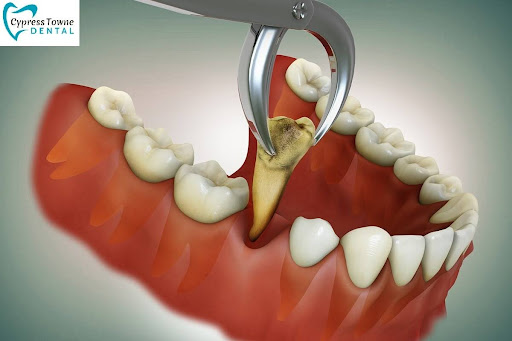
A tooth extraction means a dentist removes a tooth from its socket in the jaw. Cypress Towne Dental Clinic explains that dentists may do this when a tooth has severe trauma damage or decay and cannot be saved well enough with other care.
There are two common types. A simple extraction is done when the tooth can be seen above the gums. A surgical extraction is used when the tooth is broken at the gum line or stuck under the gums like some wisdom teeth. Impacted wisdom teeth can stay trapped below the gums and grow at odd angles which may cause problems for nearby teeth and gums.
Why a Tooth May Need To Be Removed
A tooth is not removed for no reason. There is usually a clear problem behind it.
Severe decay
Dental Clinic notes that untreated cavities can become deep enough to cause serious tooth pain infection and even tooth loss. When decay has destroyed too much of the tooth structure it may no longer be strong enough to save.
Infection that cannot be controlled
If the inner part of the tooth becomes badly infected a root canal may sometimes save it. The ADA explains that root canal treatment is meant to save a tooth when the pulp is damaged or infected. But if the infection is too advanced or the tooth cannot be restored well after treatment then extraction may become the safer option.
Gum disease
Severe gum disease can weaken the bone and tissue that hold a tooth in place. When support around the tooth is badly damaged the tooth may become loose and may need removal.
Cracks breaks and trauma
A badly cracked or broken tooth may not be fixable with a crown or other repair. This can happen after an accident sports injury or years of wear. In those cases removal may protect the nearby teeth and gums from more trouble.
Wisdom teeth problems
Mayo Clinic says wisdom teeth may need removal when they cause pain repeated infection gum disease damage to nearby teeth cysts tumors or widespread decay.
Orthodontic crowding
Some teeth are removed to make space before braces or other orthodontic treatment. This is less common than decay or infection but it does happen in selected cases.
Signs You May Need a Tooth Extraction
Some warning signs are easy to notice. Others build slowly.
Pain that keeps coming back
If a tooth hurts again and again even after home care that is a sign it needs professional attention. Long lasting pain can point to deep decay infection or a crack below the surface.
Swelling in the gums or face
A tooth abscess is a pocket of pus caused by a bacterial infection. Dental Clinic says it can form near the root and often brings swelling pain and tenderness. That is never something to ignore.
A loose tooth
Adults should not have loose permanent teeth. If a tooth feels loose it may mean gum disease bone loss or trauma has weakened its support. In some cases the tooth can be saved. In others it may need removal.
Pain when chewing
Pain while biting down can point to infection deep decay a crack or pressure from an impacted tooth. A dentist needs to check the cause before deciding the best solution.
A damaged baby tooth in children
In some cases children may also need an extraction. That is where pediatric tooth extractions may come in. A child may need a tooth removed because of severe decay infection trauma or crowding concerns. A dentist will always look at the child’s age comfort and the timing of adult teeth before deciding. That is why tooth extraction pediatric care should always be planned carefully and gently.
What Dentists Check Before Recommending Removal
Dentists do not jump straight to extraction. First they examine the tooth and the area around it.
They usually look at how deep the decay goes whether the roots are healthy how much bone support remains and whether the tooth can still be restored with a filling crown or root canal. X rays are commonly used to see problems below the surface and to understand root position bone levels and the condition of impacted teeth.
This step matters because saving a natural tooth is often the first goal when it can be done safely.
Can the Tooth Be Saved Instead
Yes. In many cases it can.
A small cavity may only need a filling. A weak or broken tooth may need a crown. An infected tooth may sometimes be saved with a root canal if the structure is still restorable. The ADA notes that root canal treatment is designed to save natural teeth when the pulp is damaged.
That is why a dentist may not suggest extraction right away. The best plan depends on how much damage is present and whether the tooth can still work well for the long term.
When Extraction Becomes the Best Solution
There comes a point where keeping the tooth may do more harm than good.
Extraction may be the best option when the tooth is too broken to repair when decay has destroyed too much structure when infection keeps returning or when impacted wisdom teeth are harming nearby teeth and gums. It may also be needed if severe gum disease has left the tooth with very poor support.
For children the goal is still to be conservative. But pediatric tooth extractions may be recommended when a tooth is causing pain infection or blocking normal dental development. Good child focused care makes that process easier for both kids and parents.
If you are researching Tooth extractions in Cypress this is the part to remember. Extraction is usually not the first choice. It becomes the right choice when it protects your overall oral health better than keeping the tooth.
What Happens During a Tooth Extraction
The process is usually simpler than people expect.
Your dentist checks the tooth and takes X rays if needed. Then the area is numbed so you should not feel sharp pain during the procedure. Cypress Towne Dental Clinic explains that afterward it is normal to have mild discomfort slight bleeding and some swelling while the site heals.
A simple extraction is often quick. Surgical cases can take more time especially for impacted teeth. After removal you get instructions for home care and healing.
What To Expect After Extraction
The first day matters a lot. The First Night After Tooth Extraction is usually when people notice soreness swelling and light bleeding. Those can be normal parts of healing. Smile4Ever and Cypress Towne Dental Clinic both note that swelling pain and mild bleeding can happen after tooth removal and that recovery time depends on the type of extraction.
Soft tissue often needs about one to two weeks to heal and some swelling may still be present during that time. Wisdom teeth cases may take longer.
Your dentist may tell you to rest use cold compresses eat soft foods and avoid anything that could disturb the blood clot in the socket.
When To Call the Dentist Afterward
Pain should slowly improve not get worse. Dental Clinic says severe pain after extraction can suggest dry socket. Dry socket happens when the blood clot does not form properly or gets dislodged exposing bone and nerves.
You should also call if you have strong swelling fever pus a bad taste that does not go away or trouble opening your mouth. Those can be signs of infection or other complications.
How To Lower the Chance of Future Extractions
The best solution is often prevention.
Brush and floss every day. Do not ignore tooth pain. See a dentist before a small cavity becomes a deep one. Treat infections early. Limit sugary foods and drinks because sugar is linked with a higher risk of tooth decay.
For families in Cypress this matters for both adults and children. Early checkups can reduce the need for urgent treatment and can also help catch issues that may lead to tooth extraction pediatric care later on.
Final Thoughts
A tooth extraction may be needed when a tooth is badly damaged deeply infected loose from gum disease or causing pressure and pain like an impacted wisdom tooth. Dentists usually try to save natural teeth first but sometimes removal is the safest and most practical solution.If you have pain swelling a loose tooth or repeated infection do not wait too long. A timely exam can tell you whether the tooth can still be saved or whether extraction is the better path. And if you are looking into Tooth extractions in Cypress getting checked early can make treatment easier and less stressful.

Eliza Gordon is a seasoned writer for the health industry dedicated to providing fact-based health information. She sources concise facts from authoritative sources to ensure maximum credibility and shares guidelines to lead a healthy lifestyle.
About Us

The Healthcare Facts is a blog site that posts regular content on fitness, healthy eating, weight loss, healthy mind and wellness. The aim of the blogs is to encourage people stay fit and healthy physically, mentally and spiritually.
Copyright © 2026 The Healthcare Facts. All Right Reserved.