
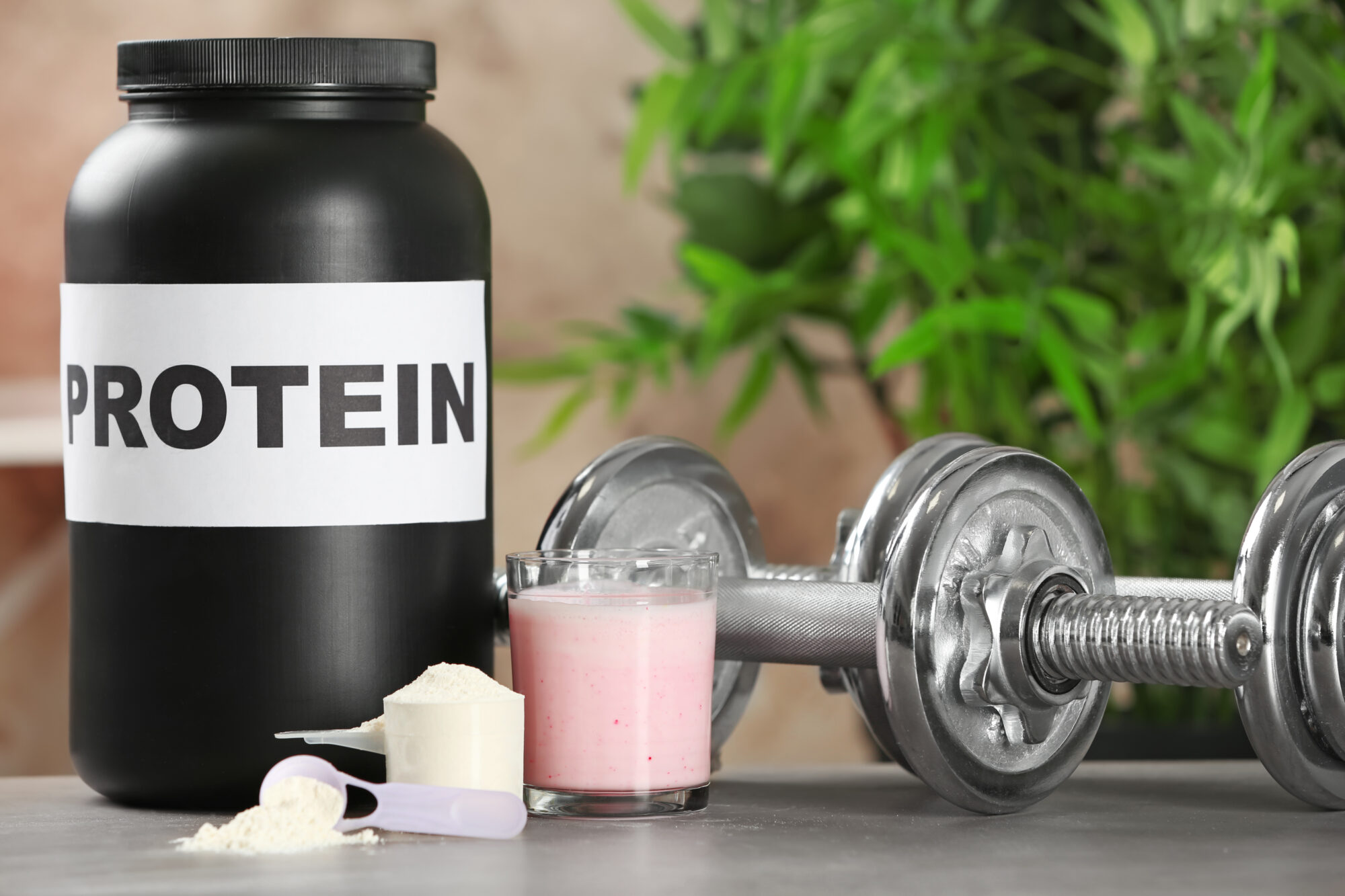
Whey Protein vs. Plant Protein for Muscle Growth: A Comparative Study
While many nutritional supplements come and go, protein powders remain a staple in the industry. For those struggling to hit their macros, these supplements provide a seamless way to reach daily intake goals.
Now, if you research a bit more, you’ll find out that protein powders come in two broad categories— whey protein and plant-based protein.
But what are the key differences between whey and plant protein? And how can you decide which one is better for you?
We’ve discussed it all in this very blog. Let’s explore till the end to learn more.
Whey Protein vs. Plant Protein: What You Need to Know
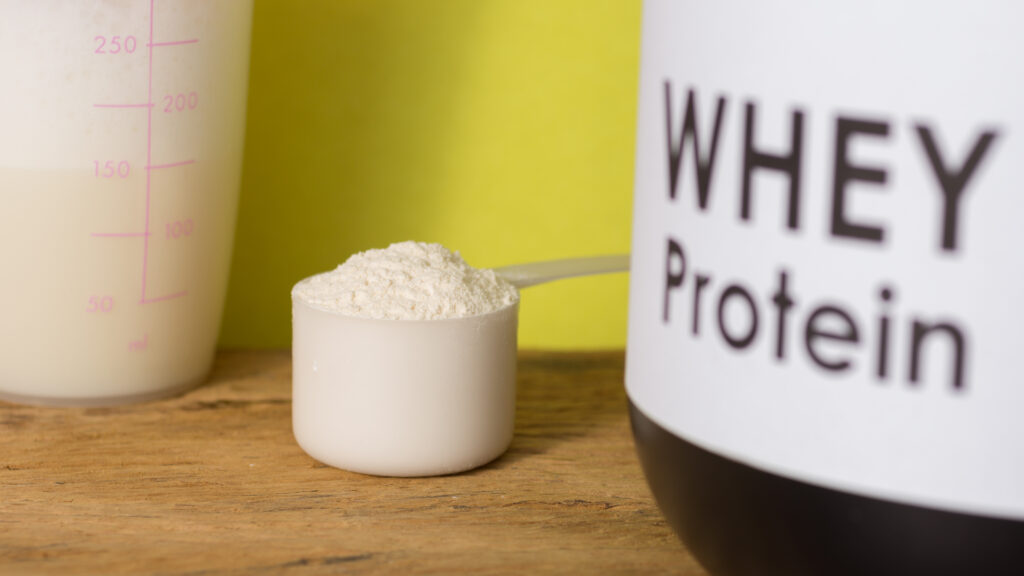
First up, let’s understand the differences between whey protein and plant protein.
Whey protein is derived from cow milk, which is later processed into powder. It is available in three types-
- Whey protein concentrate (WPC): About 89% protein concentration.
- Whey protein isolate (WPI): More than 90% protein concentration.
- Whey protein hydrosylate (WPH): About 95% protein concentration.
Hydrolysate is considered to have the highest protein content among the three, which is followed by isolate and concentrate. But hydrolysates are usually pricier and are preferred by professional athletes. For the ones who’re looking for muscle growth, whey WCP happens to be a much more affordable option.
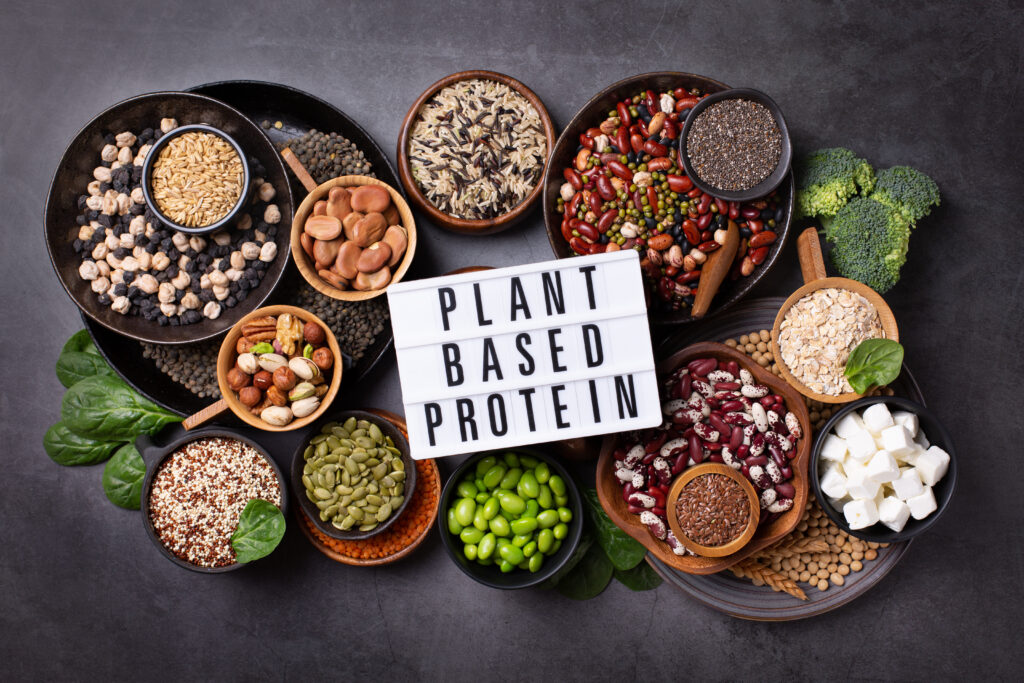
On the other hand, plant protein, as the name itself suggests, is derived from plant-based sources like brown rice, hemp, soy, peas, etc.
However, while whey proteins are ‘complete’ protein sources, many plant-based proteins do not contain all nine amino acids required for muscle growth. That’s why manufacturers often blend different sources to make sure that they offer a complete protein profile.
Plant proteins are also available in concentrate and isolate variants. Hydrolysate plant protein is not that common, but it’s still available. And if you were looking for more, here are some alternative supplements to help aid muscle growth.
Whey Protein vs Plant Protein for Fitness: What’s the Better Choice?

- Protein content: Whey protein powders, irrespective of their types (WPC, WPI, or WPH) contains about 35- 95% of protein. Hydrolysate variants contain the highest amount of protein, while concentrates contain the least.
On the contrary, plant-based protein powders contain about 50- 90% of protein content. Along with that, these also contain carbohydrates, which vary according to the types (more carbs in concentrate, and fewer in isolate, or hydrolysate).
- Fat content: WPCs contain about 4- 8% of fat, while isolate and hydrolysate variants have much less fat content.
However, the fat content in plant-based proteins ranges from 0.1- 10%. Protein powders made from certain plant seeds generally have a higher fat content.
- Lactose: Since it’s derived from milk, whey protein contains lactose. This might cause digestive issues among lactose-intolerant individuals.
This is where plant-based proteins win over whey proteins, as they are lactose-free! So, you don’t need to worry about an upset stomach.
- Vitamins and minerals: Each of the whey protein types (WCP, WPI, and WPH) comes packed with minerals like zinc, magnesium, sodium, potassium, and calcium.
On the other hand, plant proteins include phosphorus, potassium, zinc, folate, iron, and calcium. Isolate and hydrolysate variants generally contain fewer minerals than concentrate ones.
Now that you’re aware of the differences, let’s move on and take a look at the pros and cons of whey protein.
Pros:
- Offers rich protein content.
- Easily digestible.
- Tastes good, and therefore, is preferred by many.
- Contains lower carbs, which might be better suited for many.
Cons:
- Contains lactose, which can cause digestive issues for people with lactose intolerance.
- Might trigger allergic reactions in people with dairy allergies.
- Contains calories, which might cause weight gain if not balanced with physical activity.
Pros and Cons of Plant Protein
Pros:
- Perfect for vegans and vegetarians.
- Suitable for people suffering from lactose intolerance.
- Ideal for people following a dairy-free diet.
Cons:
- Higher carb content, which might not suit people with carb-restricted diet.
- Has lower digestibility.
- Not suitable for people with soy or peanut allergies.
Which is the Better Option?
Well, it entirely depends on your specific body type, dietary restrictions, goals, and budget. For instance, if you’re lactose intolerant, plant-based protein powders are better options. At the same time, if your goal is to build muscle, whey protein can give you better results, as it comes with a complete protein profile.
So, before finalizing on your decision, determine your needs, goals, and budget to ensure that you make an informed choice. Also, if you like to share such informative content, The Healthcare Facts might be the best platform for you! Just send them your blogs under their ‘write for us health fitness blog’ category, and win a chance to get featured.
FAQs
1. Is whey protein or plant protein better for muscle building?
Both of the variants are equally helpful when it comes to muscle growth, as long as you are ingesting the same amount of protein per serving.
2. Which protein is better for weight loss?
While both of the protein supplements can be effective, plant-based proteins come with more fiber content, which makes you feel fuller for a longer time. This reduces your daily calorie intake, which helps in weight loss.
3. Is whey isolate safe to use for lactose-intolerant people?
Yes, it is. Whey isolate and hydrolysate go through an extensive filtration process. So, much of the lactose and fat is removed during that filtration, so that even lactose-intolerant people can use it easily.

Eliza Gordon is a seasoned writer for the health industry dedicated to providing fact-based health information. She sources concise facts from authoritative sources to ensure maximum credibility and shares guidelines to lead a healthy lifestyle.
About Us

The Healthcare Facts is a blog site that posts regular content on fitness, healthy eating, weight loss, healthy mind and wellness. The aim of the blogs is to encourage people stay fit and healthy physically, mentally and spiritually.
Copyright © 2026 The Healthcare Facts. All Right Reserved.