

The Sudden Rise in Cancer Risks among Millennials and Gen Z
Cancer- a disease that used to be common in older generations- has undergone a generational shift nowadays. As stated by Dr. Pooja Babbar, a Consultant at the Medical Oncology Department of CK Birla Hospital, the reason behind this shift is due to four major factors-
- Excessive air pollution
- Introduction to alcohol and cigarettes from a young age
- Industrialization
- Processed foods
Dr. Babbar also said that “The Gen Z is more exposed to what I call the so-called ultra-processed food or white food, they binge-watch TV with popcorn and cold drinks.”
That being said, there are a lot of other factors associated with the increase in cancer risks among millennials and Gen Z. And in this blog, we have detailed each of the factors behind the generational shift of this dangerous disease.
Let’s take a closer look.
Rising Cancer Rates in Younger Generations and the Reasons Behind

Earlier, cancer was regarded as one of the ‘diseases of the older age.’ But over the past few years, the younger population, especially the age bracket between the late 20s and early 40s, has been suffering from breast, uterine, and colon cancers extensively.
Now, lifestyle changes do have a major role in this. But that’s not the entire cause! It is a mixture of lifestyle changes, certain environmental factors, and obviously, genetic factors!
Now, let’s take a look at the factors one by one.
Lifestyle Changes
The first, and one of the most crucial factors behind this massive general shift, has to be the substantial lifestyle changes. Nowadays, the younger generation is habituated to living in a fast-paced and stressful environment. Therefore, they are wrapped up in chronic stress, disrupted and irregular sleep cycles, and significant screen time.
However, what affects the most is the sedentary lifestyle along with the above elements. The younger generation, if you look closely, is not associated with any physical activity or engagement. Rather, they spend their days sitting long hours in front of laptops or computers. So, they might have become tech-savvy, but what they lost is good metabolism and a strong immunity!
Dietary Changes

Another reason why early cancer diagnosis has become the new normal among millennials and Gen Zs is because of changes in their food habit. Gone are the days when home-cooked meals were the only option, for which our bodies used to get the required nutrition to stay healthy and function actively.
Unfortunately, in this fast-paced life, no one has the time or patience to stick to home-cooked food. With the rise of online food delivery platforms, people have become addicted to calorie-dense processed foods that are low in nutrition but rich in taste! This trend of consuming excessive refined sugar, preserved foods, and red meat increases the risks of contracting gastrointestinal and metabolic cancer.
Along with this, a stark decrease in physical activity has increased obesity cases among the youth. And obesity happens to disrupt hormonal balance and inflammation, which induces tumor growth.
Hormonal Health
Increased cases of breast and endometrial cancer in women are closely associated with hormonal health. How so?
Well, cases of early puberty, delayed motherhood, and PCOS are some factors that are causing hormonal imbalances in women, which are resulting in an increased risk of cancer. Besides that, that danger literally multiplies with the exposure to chemicals in everyday products like food or cosmetics that interfere with the body’s crucial hormones.
Note: Cancer doesn’t just pop up one day. Your body will give you some early signs and symptoms to make you understand that something isn’t right. So, if you see those signs and symptoms, make sure to get a checkup done as early as possible.
Genetic Factors
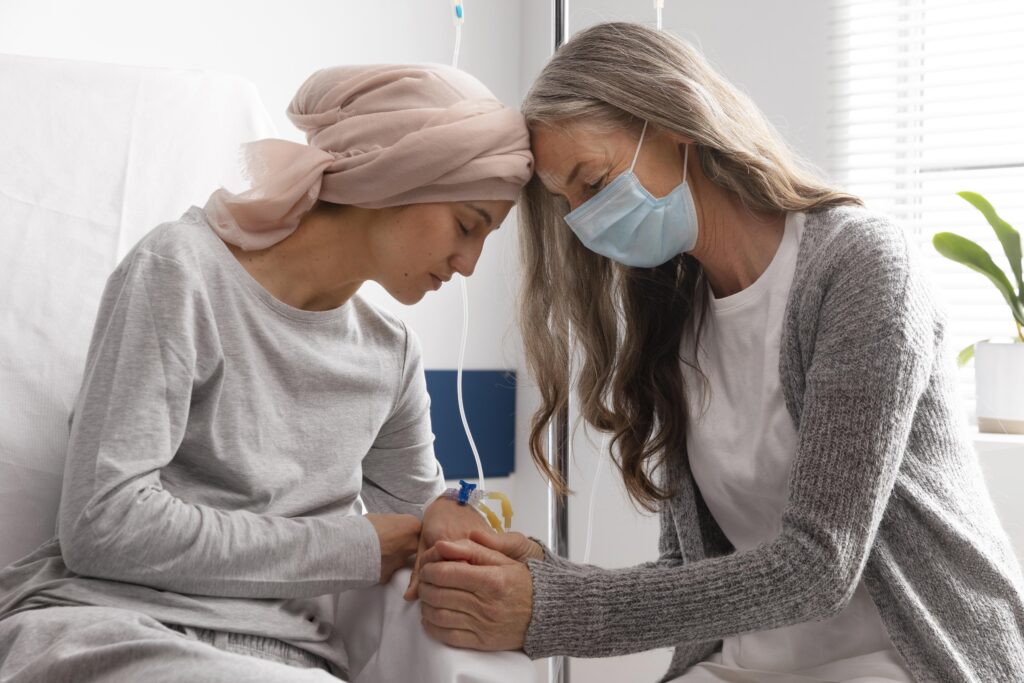
Another reason why Gen Zs and millennials are more prone to cancer is because of genetics.
Surprised to hear that cancer is a genetic disease? Well, it’s the truth! In fact, people who carry genetic mutations are prone to developing cancer at an earlier stage in their lives. That’s because these genes get activated with lifestyle and environmental factors extensively. People need to understand that tobacco consumption or alcohol isn’t the only factor instigating cancer. Excessive mental stress, lack of proper sleep, and exposure to harmful chemicals and fumes are equally responsible for the surge in cancer risks among millennials and Gen Zs.
Environmental Factors
And now comes one of the most significant factors that has led to the rise of numerous respiratory and pulmonary diseases, along with cancer.
So, the air quality index is going for a toss with every passing day! And the presence of harmful gases like carbon monoxide, sulfur dioxide, and nitrogen dioxide, along with PM 2.5 and PM 10, has made us all exposed to a cocktail of poisonous airborne pollutants, which penetrate deep inside the lungs and enter our bloodstream.
Now, the situation has gotten to such a point that even if you are a non-smoker, but are inhaling this polluted air daily while you commute, you might be diagnosed with lung cancer soon! In fact, it is because of poor AQI that the mortality rates of lung cancer cases in India are on the rise! So, that’s another one of the reasons behind rising cases of cancer among the young generation, especially the millennials and the Gen Zs.
However, the only bright side to this otherwise sad reality is that advancements in medical technology have increased the efficacy of diagnosis. Therefore, in most cases, the disease is diagnosed at quite an early stage, and advanced treatment options enhance the survival rates effectively. If you like to share similar insights on healthcare, do send us your writings under our write for us health and wellness category today!
F.A.Qs
1. Why are millennials getting cancer at higher rates?
An array of factors is becoming the reason behind cancer increase in millennials, like lifestyle changes, environmental pollution, genetics, etc.
2. Why is Gen Z getting cancer?
Along with poor AQI and a stressful, fast-paced lifestyle, the lack of physical activities, and the trend to eat high-calorie, low-fiber preserved foods rather than home-cooked meals are some of the reasons why Gen Zs are getting affected by cancer.
3. Why are so many people getting cancer nowadays?
One of the major factors behind a sudden spike in cancer cases, especially among he younger generation, has to be the deteriorating AQI.

Eliza Gordon is a seasoned writer for the health industry dedicated to providing fact-based health information. She sources concise facts from authoritative sources to ensure maximum credibility and shares guidelines to lead a healthy lifestyle.
About Us

The Healthcare Facts is a blog site that posts regular content on fitness, healthy eating, weight loss, healthy mind and wellness. The aim of the blogs is to encourage people stay fit and healthy physically, mentally and spiritually.
Copyright © 2026 The Healthcare Facts. All Right Reserved.