
Smart Rings Vs Smartwatches: Which Wearable Is Better for Health Tracking?
I love fitness tech, but I have a problem.
I want more health data without wearing half a dozen gadgets. If you’re anything like me, you’ve probably reached the same crossroads, wondering if fitness trackers can actually improve your health and which style fits your daily routine. Should you wear a smart ring that quietly tracks your health all day, or a smartwatch that puts your stats right on your wrist?
The smart ring vs smartwatch debate isn’t really about which gadget has more sensors. It’s about how you train, sleep, recover, and use your data.
I’ve looked at both sides, and here’s the simple answer: a ring is great for passive health tracking, while a smartwatch is usually better for active fitness. But there’s more to it.
Smart Ring vs Smartwatch: What’s the Difference?
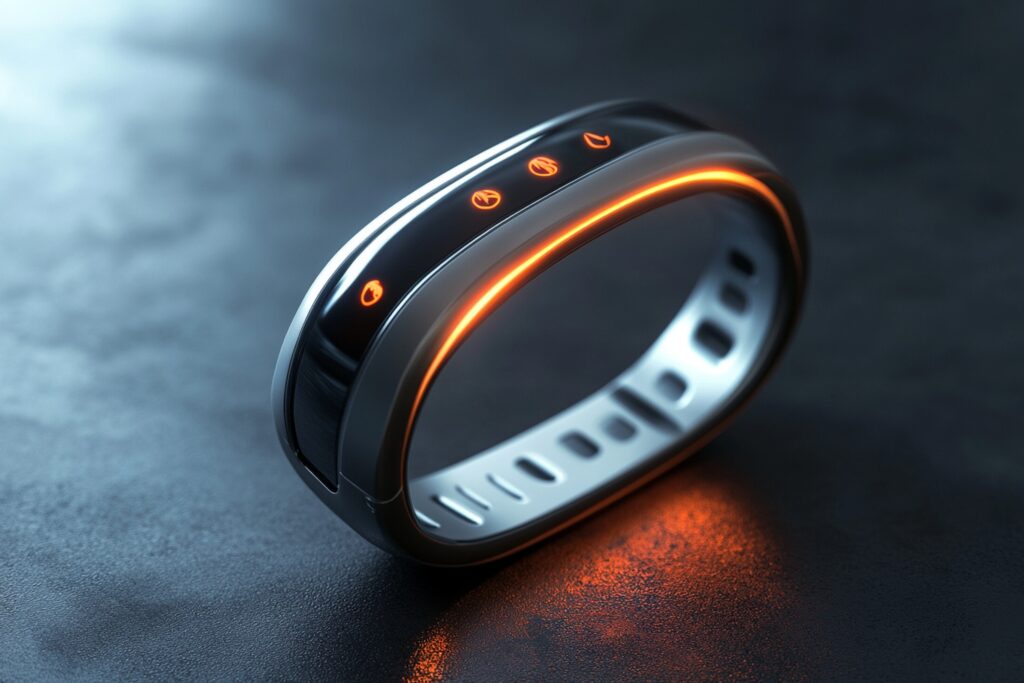
A smart ring is designed to stay out of your way. Take the Oura Ring 4. It weighs between 3.3 and 5.2 grams and tracks heart rate, blood oxygen, heart-rate variability (HRV), temperature trends, respiration, movement, and activity. Their lightweight, screen-free design makes smart rings an excellent choice for seniors who want continuous health monitoring without the distraction of a smartwatch display.
The Samsung Galaxy Ring takes a similar approach. It uses an optical bio-signal sensor, accelerometer, and skin-temperature sensor, with battery life of up to 7 days.
A smartwatch, meanwhile, gives you a screen, GPS, workout controls, notifications, apps, and a much broader fitness experience. The Apple Watch Series 11, for example, includes heart-rate monitoring, ECG, sleep tracking, temperature sensing, blood oxygen features, and sleep apnoea notifications.
Smart Ring vs Smartwatch For Health Tracking
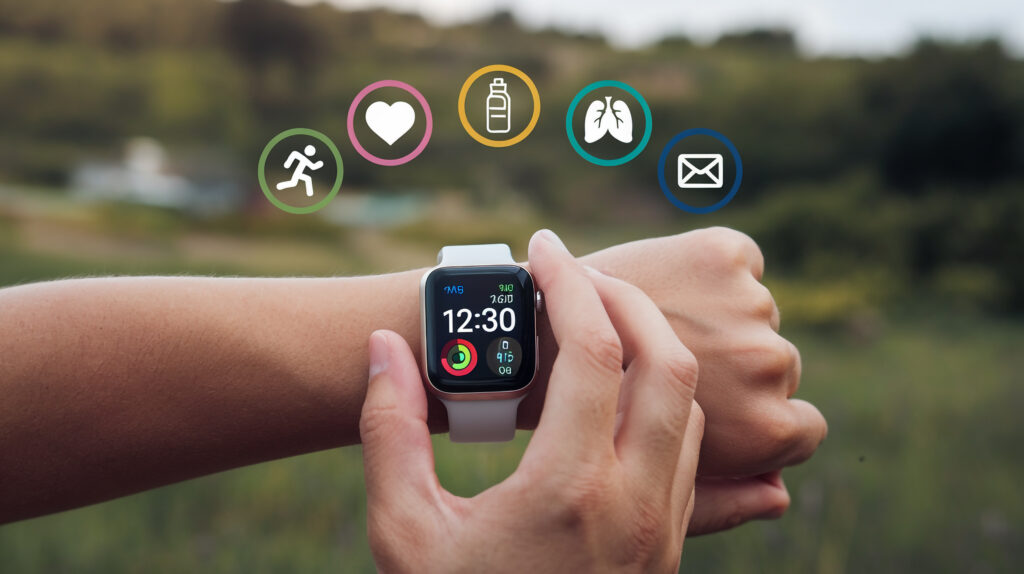
Here’s how the two compare for the metrics you’re most likely to care about:
| Health feature | Smart Ring | Smartwatch |
| Heart rate | Excellent for continuous trends | Excellent, with real-time viewing |
| HRV | Strong | Strong |
| Sleep tracking | Major strength | Very good |
| Skin temperature | Available on leading models | Available on some models |
| Blood oxygen | Available on some models | Available on some models |
| Recovery insights | Major strength | Strong |
| GPS | Usually needs your phone | Often built in |
| Workout tracking | Basic to moderate | Excellent |
| Real-time stats | Limited | Excellent |
| Notifications/apps | Limited | Excellent |
| Battery life | Usually several days | Often shorter |
The biggest difference is how you interact with the data. A ring tends to collect information quietly and show you trends later. A smartwatch lets you check your heart rate, pace, distance, and workout metrics while you’re actually exercising.
Smart Ring Vs Smartwatch For Sleep Tracking
This is where smart rings become seriously interesting.
If you struggle to sleep comfortably with something bulky on your wrist, a ring can be easier to wear overnight. Oura Ring 4, for example, is built around continuous sensing and tracks overnight metrics such as heart rate, HRV, respiration, temperature trends, and blood oxygen.
Smartwatches have caught up, though. Apple Watch Series 11 tracks sleep stages and provides a sleep score, while Samsung Galaxy Watch8 offers sleep coaching and other overnight health insights.
So, in this category, I would give the edge to the ring for comfort and passive tracking, but not assume that smaller automatically means more accurate.
Research backs up that caution. A 2026 systematic review found that consumer wearables can provide useful estimates of broad sleep patterns, but their performance varies, and they’re not replacements for clinical sleep testing.
Smart Ring vs Smartwatch For Fitness
If you’re a serious runner, cyclist, swimmer, or gym-goer, the smartwatch wins.
Why? You can see your stats while you train. You can follow pace, distance, heart-rate zones, GPS routes, and other workout metrics without pulling out your phone.
Samsung Galaxy Watch8, for example, provides exercise tracking, GPS, pace, cadence, advanced running metrics, and VO₂ max.
A smart ring can still track activity and recovery, but it’s not designed to replace that real-time workout screen. So, if your priority is fitness, pick the smartwatch.
Smart Ring vs Smartwatch For Heart Health
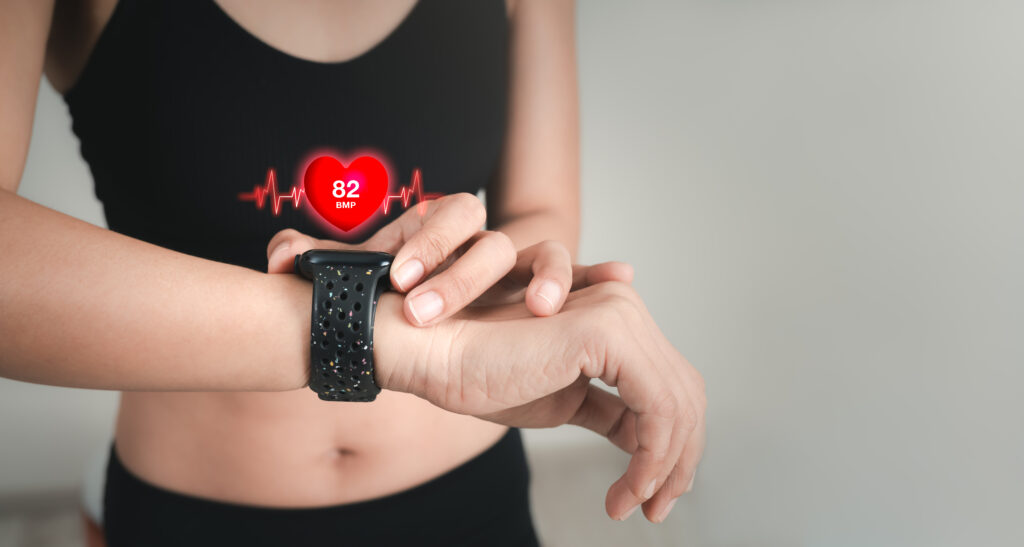
Both can be useful, but this is where you need to pay attention to the exact model.
Apple Watch Series 11 can generate a single-lead ECG and provide high- and low-heart-rate and irregular-rhythm notifications. It also includes newer hypertension notifications in supported markets.
Samsung Galaxy Watch8 also offers ECG and blood pressure features in supported regions, with the measurements requiring calibration with a cuff.
This doesn’t mean you should treat either device as a doctor. The FDA specifically warns consumers against using unauthorized wearable features that claim to measure blood pressure accurately.
Smart Ring vs Smartwatch Accuracy
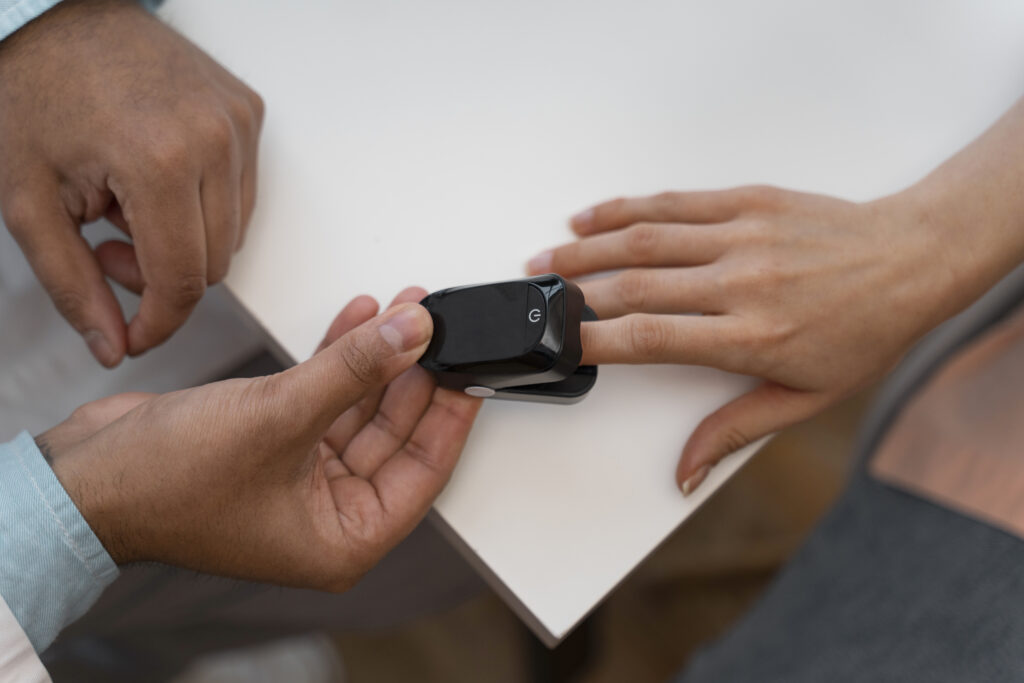
This is probably the question I get most often: how accurate are smart rings?
The honest answer is that it depends on the device, metric, fit, movement, sensor technology, and algorithm.
Research has found that some smartwatch heart-rate measurements can perform reasonably well, but accuracy can change during movement and across different metrics.
Sleep data also needs context. In one study, comparing Oura Ring Gen3, Fitbit Sense 2, and Apple Watch Series 8 with polysomnography, all three were highly sensitive for detecting sleep, but sleep-stage accuracy varied.
That’s why I use wearable data mainly to spot patterns. If your resting heart rate is consistently higher than normal or your sleep duration keeps falling, that trend is worth noticing. A single unusual reading is a different story.
And never trust a random wearable that claims to measure things such as blood glucose without proper authorization. The FDA says no smartwatch or smart ring has been authorized to measure or estimate blood glucose on its own.
Smart Ring vs Smartwatch: Pros and Cons
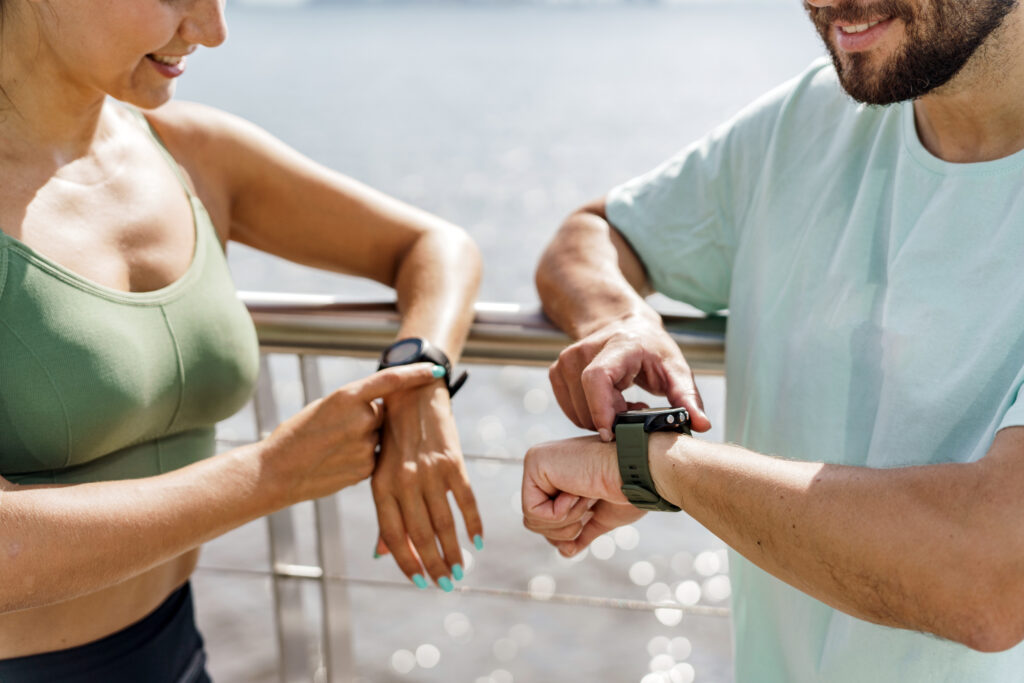
Smart Ring Pros
- Small and discreet
- Comfortable for overnight use
- Strong sleep and recovery focus
- Long battery life
- Less distracting
Smart Ring Cons
- No large display
- Limited real-time workout feedback
- Usually depends on your phone for a fuller experience
- Some brands charge a subscription
Smartwatch Pros
- Excellent workout tracking
- Built-in GPS on many models
- Real-time health and fitness data
- Apps, notifications, calls, and music
- More advanced heart-health features on some models
Smartwatch Cons
- Bulkier
- Can be distracting
- Usually needs more frequent charging
- May be less comfortable for sleep
Smart Ring or Smartwatch For Health: Which Should You Choose?
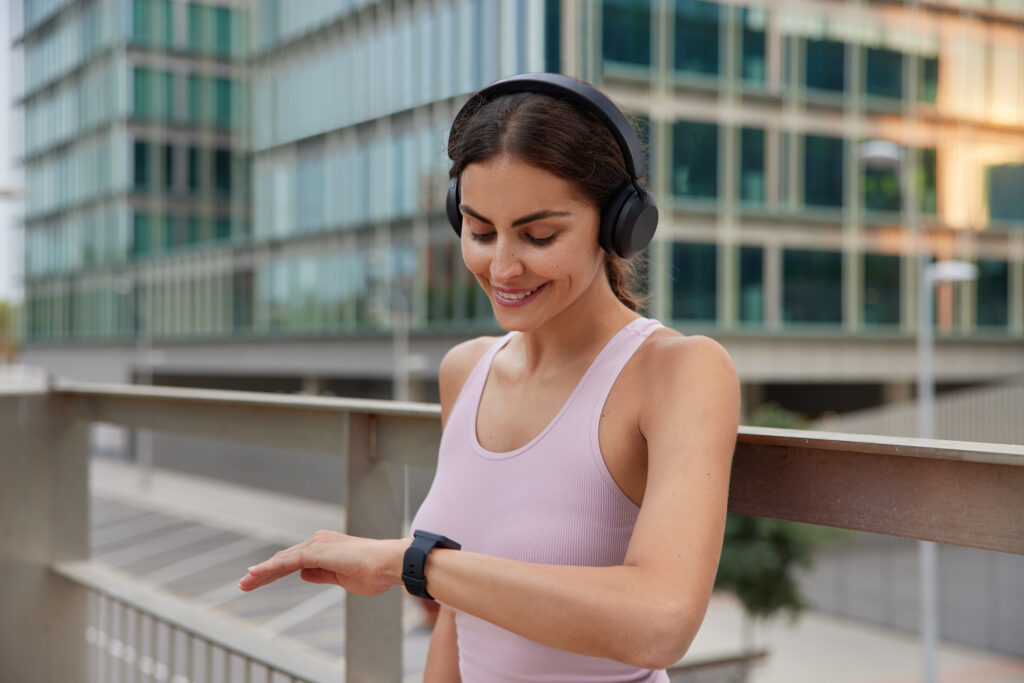
If you mainly care about sleep, recovery, resting heart rate, and passive health trends, I would choose a smart ring.
If you care about workouts, GPS, live heart rate data, running metrics, and broader smartwatch features, I would choose a smartwatch.
For beginners, I would keep it even simpler: buy the device you’ll actually wear every day. The best wearable for health tracking isn’t necessarily the one with the longest feature list. It’s the one that gives you useful data without becoming another chore. Pair your new device with simple fitness goal hacks to make sticking to your daily health routine even easier.
And if you already own a good smartwatch, you may not need a ring at all. If you hate sleeping with a watch, however, a ring can fill that gap.
Ultimately, your wearable should help you understand your habits, not make you obsess over every number. Consistent data, sensible interpretation, and healthy habits matter far more than chasing the perfect score.
If you enjoyed this Health & Fitness Guide, visit our Write For Us: Fitness & Health page to learn how you can contribute your own insights to our community.
FAQs
1. Can you wear a smart ring and watch at the same time?
Yes, absolutely. Many people wear both to get the best of both worlds. Your fitness app or smart ring app usually consolidates the data, so having two devices on won’t mess up your health stats.
2. Which is best, a smartwatch or a smart ring?
It depends entirely on what you want from a tracker:
- Smartwatches are best if you want a screen for real-time fitness metrics during workouts, app notifications, GPS tracking, and hands-free calls.
- Smart rings are best if you hate wearing a bulky watch to sleep, prefer a distraction-free, screenless device, or want discreet, continuous health tracking with multi-day battery life.
3. What can a smart ring do that a watch can’t?
Smart rings offer a few distinct advantages over smartwatches:
- Superior comfort for sleep: Their lightweight, minimalist design makes them vastly more comfortable to wear to bed.
- Better finger biometrics: Blood vessels in the fingers are closer to the surface than on the wrist, often leading to more consistent temperature and pulse readings.
- Multi-day battery life: Since rings lack power-hungry screens, their batteries routinely last 4 to 10 days on a single charge.
4. Which smart ring is the best in 2026?
For the best overall smart ring, Oura Ring 5 (or Oura Ring 4) remains the top choice for overall tracking accuracy, app design, and sleep insights, though it requires a monthly subscription.
If you want premium health tracking without monthly fees, Ultrahuman Ring Air or RingConn Gen 2 are the best options.
5. Is it safe to wear a smart ring all the time?
Yes, smart rings are designed for 24/7 wear. They use low-power Bluetooth and standard optical sensors (similar to the ones on the back of smartwatches) that are completely safe for continuous contact with skin. Just be sure to dry underneath the ring after washing your hands or showering to prevent mild skin irritation.
6. Which smart ring works best with Apple?
The Oura Ring works best with iOS. Its companion app syncs flawlessly with Apple Health, allowing all your sleep, heart rate, and temperature data to feed directly into your iPhone’s health ecosystem.

Eliza Gordon is a seasoned writer for the health industry dedicated to providing fact-based health information. She sources concise facts from authoritative sources to ensure maximum credibility and shares guidelines to lead a healthy lifestyle.
Related Articles

How to Maximize and Gain From Virtual Reality Workouts
Virtual reality is transforming people’s lives even when it comes to workouts and exercises. By implementing this technology, you can replace the traditional workout programs. Training through VR is like…
read more
6 Ways to Strengthen Your Love Life with Exercises
Are you married and trying your best to shed off the ups and downs and get your relationship back on track? Well, you are not alone. Most couples look for…
read moreAbout Us

The Healthcare Facts is a blog site that posts regular content on fitness, healthy eating, weight loss, healthy mind and wellness. The aim of the blogs is to encourage people stay fit and healthy physically, mentally and spiritually.
Copyright © 2026 The Healthcare Facts. All Right Reserved.