12 Months, 12 Books to Help Heal and Regulate Your Nervous System
We don’t spend our days the same. For me, there have been months when life feels manageable, and then there are months when even small things feel strangely exhausting. Clinical therapy is obviously the solution, but it’s not always easy to reach out. You might be too busy, you might not have the budget for a therapist, or you’re simply not ready to open up to someone else.
So sometimes, help from other avenues is much-needed. It could be a blog, a book, or just talking to a friend. While you should always seek professional help when things get critical, a simple way to deal with burnout or mental exhaustion can be self-help books. According to Dr Paula Robinson, people who aren’t ready to reach out for therapy yet can be helped by self-help books. These books offer techniques and tools used by most experts to enhance our quality of life.
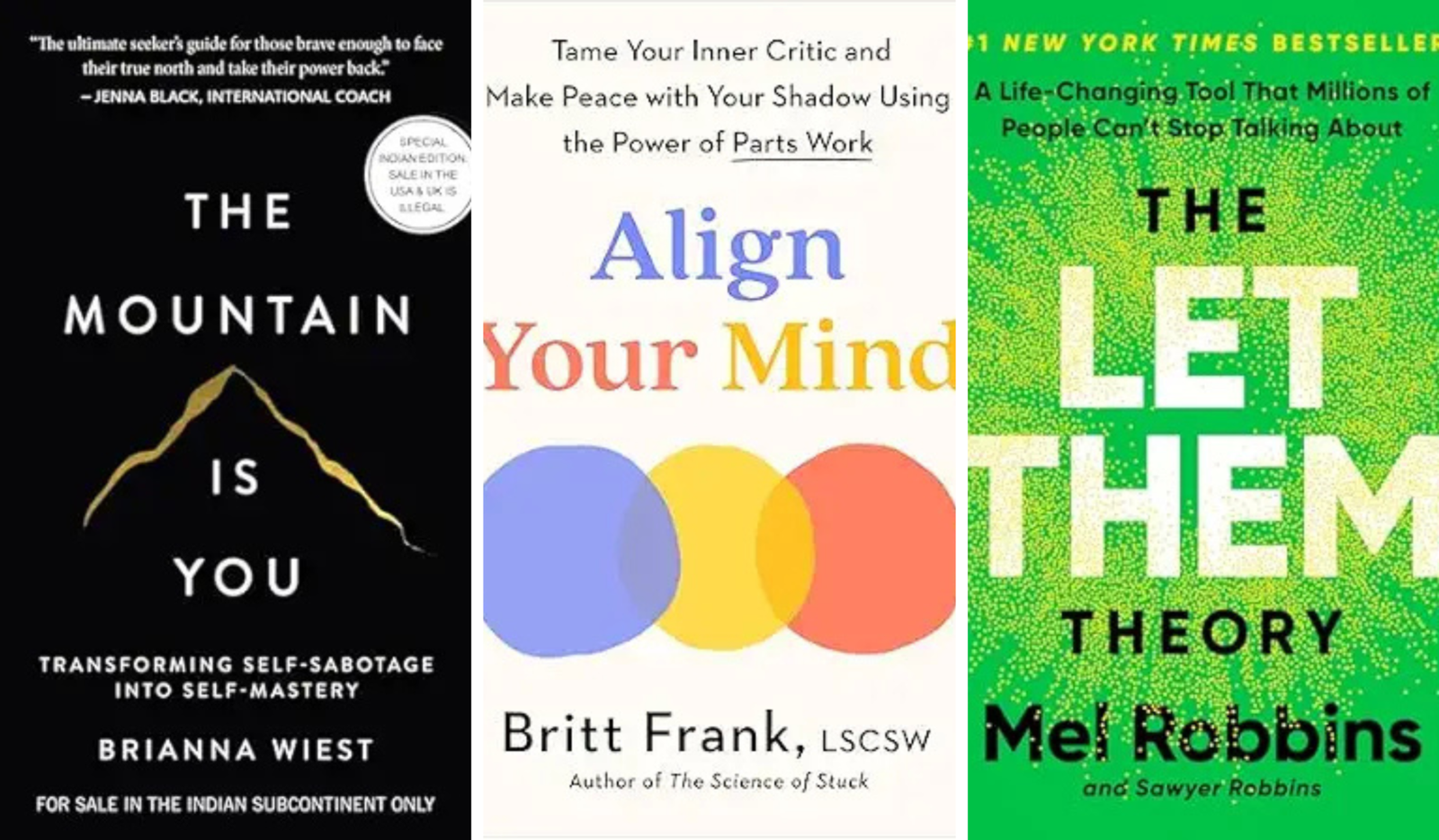
That’s why I decided to curate the 12 best books for stress and anxiety that will help you introspect and clear your self-doubts.
12 Best Nervous System Regulation Books
1. The Let Them Theory by Mel Robbins
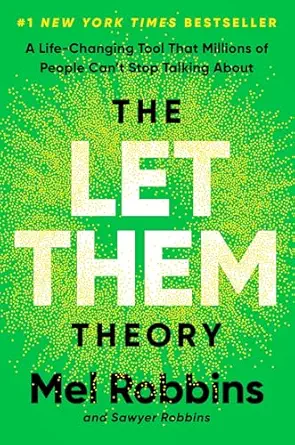
If you’ve ever felt stuck, overwhelmed, or frustrated with where you are, the problem isn’t you. The problem is the power you give to other people.
What is the book about
The book focuses on letting go of the urge to control other people’s choices, opinions, and reactions. It encourages you to focus your energy on what you can control.
According to clinical psychologist Anushka Modi, this book can be useful when overthinking other people’s behaviour adds unnecessary stress. Written as an easy-to-understand guide, Robbins shares relatable stories from her own life and highlights key takeaways.
My Take
This is one of the best books for nervous system regulation. The book says that constantly trying to manage other people’s behaviour can be exhausting. If someone doesn’t respond the way you hoped, “let them” can help you step back and protect your energy.
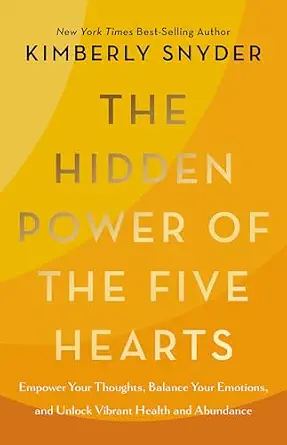
2. The Hidden Power of the Five Hearts by Kimberly Snyder
What is it about?
Kimberly Snyder explores the connection between the heart, emotions, relationships, and inner well-being. One of the most engaging nervous system healing books— it encourages readers to look at how emotional patterns can shape their everyday experience.
According to author Britt Piper, The Hidden Power of the Five Hearts helps you unlock the power of your heart’s intelligence. Drawing inspiration from time-honored wisdom and understanding of heart coherence, the book portrays a fascinating study of heart-brain communication.
My take
I like this as it brings the focus back to emotional connection and self-awareness. For someone working on feeling more grounded, it can be a gentle reminder to slow down and notice what is happening internally.
3. Conversations with God by Neale Donald Walsch

What is it about?
The book explores spirituality, life, relationships, purpose, and our ideas about God through a series of conversations presented as a dialogue between the author and God.
Suppose you could ask God the most puzzling questions about existence – and God provided clear, understandable answers. According to personal brand ambassador Rochi, this book encourages you to pause, reflect, and look at life from a less fear-driven perspective. Its focus on self-awareness and inner peace.
My take
As a nervous system reset book, it encourages you to slow down and question fear, guilt, and the beliefs that shape how you respond to life.
4. The Mountain Is You by Brianna Wiest
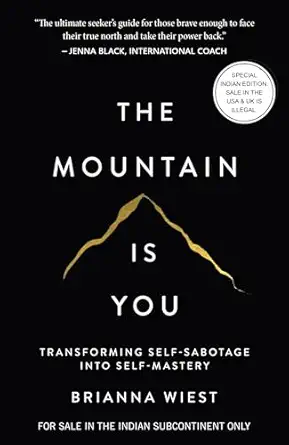
What is it about?
The book explores self-sabotage, emotional patterns, and the habits that can keep us stuck. It encourages readers to understand their reactions instead of constantly fighting within themselves.
According to therapist Goodityco, for centuries, the mountain has been used as a metaphor for the big challenges we face. To scale our mountains, we actually have to do the deep internal work of excavating trauma, building resilience, and adjusting how we show up for the climb. In the end, it is not the mountain we master, but ourselves.
My take
I like this book because it turns the focus inward without pushing for self-improvement. It can help you notice patterns such as overthinking, procrastination, or avoiding difficult emotions for your well-being in the long run.
5. Letting Go by David R. Hawkins
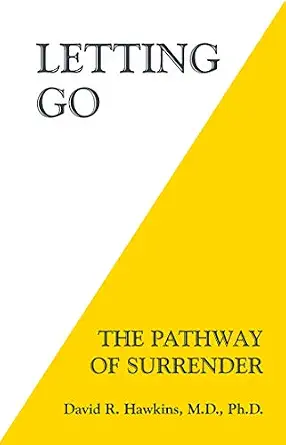
What is it about?
The book explores how holding on to fear, anger, guilt, and other difficult emotions can affect our inner peace. Hawkins presents a method of acknowledging and releasing emotional reactions rather than constantly resisting them.
Personal brand ambassador Rochi says that “reading the book changed the way I see the world as of today”. The book describes a simple and effective means by which humans can become free of negativity. During the many decades of the author’s clinical psychiatric practice, the primary aim was to seek the most effective ways to relieve human suffering.
My take
This stress management book is a simple reminder that not every emotion needs to be fought or analysed endlessly. Instead of replaying an argument, you can acknowledge the anger, allow yourself to feel it, and gradually shift your attention toward what you can do next.
6. Tiny Beautiful Things by Cheryl Strayed

What is it about?
This book brings together responses about love, loss, relationships, grief, and difficult life decisions. It is ultimately about finding compassion in imperfect moments.
This tenth-anniversary edition features six new columns and a new preface by Strayed. Rich with humor, insight, compassion, and so on, this book helps with healing and tackling everything life throws your way.
My take
This book caught my attention as it explains how emotional regulation begins with simply feeling understood. Its honest stories can remind you that sadness, uncertainty, and heartbreak are part of being human—and that you don’t have to have everything figured out immediately.
7. Becoming the One by Sheleana Aiyana
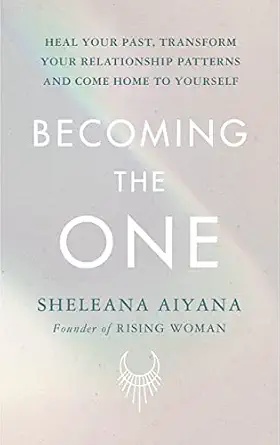
What is it about?
The book focuses on self-love, emotional healing, relationships, and breaking patterns that can keep you connected to your inner thoughts. It encourages building a healthier relationship with your own needs and emotions.
This is one of the best books for coping with anxiety and emotional regulation. If you find yourself struggling to let go after a relationship ends, or you keep hitting the same wall in dating and relationships with emotionally unavailable people, this book is for you.
My take
This book brings the focus back to yourself rather than constantly looking outside for validation. It can be a useful reminder to notice your emotional patterns, set healthier boundaries, and become more comfortable with who you are.
8. Don’t Believe Everything You Think by Joseph Nguyen
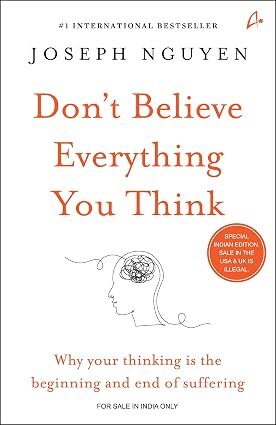
What is it about?
The book explores how our thoughts can create unnecessary stress when we automatically treat every thought as true. You get stuck in a loop of unwanted thoughts. This book encourages stepping back from overthinking and observing thoughts without getting caught up in them.
Clinical psychologist Anushka Modi said, “These are some of the books that helped me deal with anxiety, overthinking, and people-pleasing”. No matter what has happened to you, where you are from, or what you have done, you can still find total peace, unconditional love, complete fulfillment, and an abundance of joy in your life. Additionally, this book provides self-care tips for better mental health, to help readers understand unhealthy patterns and develop healthier ways of coping.
My take
The best among many nervous system regulation books—this book offers a simple reminder: a thought is not always a fact. If you keep thinking, “I’m going to mess this up,” you don’t have to immediately believe it. Pausing and questioning that thought can create some space between the thought and your reaction.
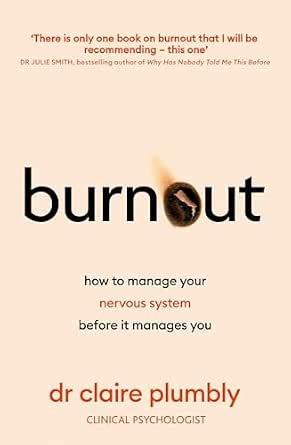
9. Burnout by Dr Claire Plumby
What is it about?
The book explores what burnout is, why it happens, and how stress can affect your body and mind. It offers practical ways to recognise burnout and work toward recovery, reminding us that making your mind stronger leads to a healthier body.
Our human nervous system has the power to cope with high stress, but not when it’s been ground down by the relentless stimuli of today’s world. This book explains that you are not alone in overthinking or doomscrolling at midnight. You are not alone in your spirals.
My take
This book treats burnout as more than simply being tired. It can help you notice warning signs earlier and think about realistic changes to your work, rest, and daily habits. And in today’s world, managing stress while on the clock has become crucial, so I learned a lot from Burnout.
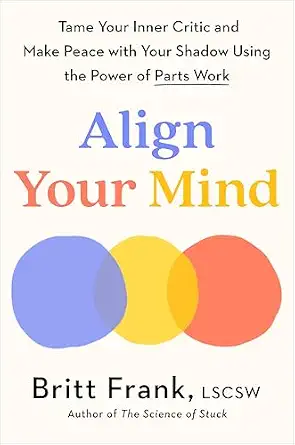
10. Align Your Mind by Britt Frank
What is it about?
Britt Frank’s Align Your Mind explores emotional patterns, self-awareness, and the ways our thoughts and behaviours can influence how we experience everyday life. It encourages readers to understand themselves rather than constantly trying to “fix” themselves.
American clinical psychologist Dr. Lindsy C. Gibson said, “This is not your usual self-help book but a masterpiece of theory, memoir, and clear instruction”. In this eye-opening guide, psychotherapist Britt Frank introduces you to your impulsive inner parts and the shadowy, hidden parts of your inner child, bringing out your past traumas and teaching you how to face them.
My take
Reading this book makes self-awareness feel practical. Instead of judging yourself for reacting strongly, you can pause and ask what the reaction is telling you. That small shift can help you respond more intentionally. I highly recommend reading other books like The Science of Stuck, by the same author, analyzing the biological reasons behind behaviors like being mindful and setting boundaries while focusing on ways to overcome trauma.
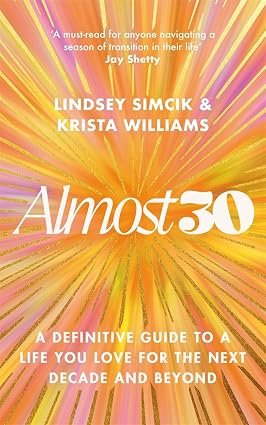
11. Almost 30 by Krista Williams & Lindsey Simcik
What is it about?
Almost 30 explores adulthood, identity, relationships, spirituality, personal growth, and the uncertainty that often comes with major life transitions. It feels like an honest conversation about figuring yourself out while life keeps moving.
According to Britt Piper, this book focuses on identity, growth, and adulting. Fear can be overwhelming at times. But there is another, more powerful part of you that won’t allow your fear to come true. This book is here to talk to that part of you.
My take
This book makes uncertainty feel less lonely. When you feel left out because your career, relationships, or life plans don’t look the way you imagined, Almost 30 can be a reminder that there isn’t one timeline you have to follow.
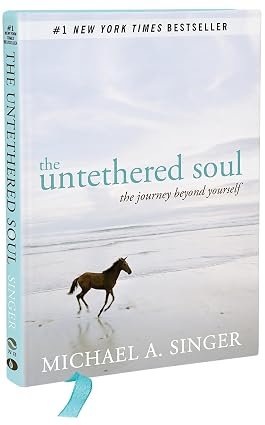
12. The Untethered Soul by Michael A. Singer
What is it about?
The book explores the voice in your head, your thoughts, emotions, and the habit of getting caught up in them. One of the best somatic healing books— it encourages observing your inner experiences instead of automatically reacting to everything you think or feel.
Whether this is your first exploration of inner space, or you’ve devoted your life to the inward journey, this book will transform your relationship with yourself and the world around you. The difference will be clear.
My take
It creates a little distance between you and your thoughts. When your mind keeps replaying a mistake or worrying about tomorrow, noticing the thought instead of immediately following it can help you respond properly.
Which One Is More Impactful?
The most useful one depends on what you are currently facing. Whether it’s overthinking, emotional patterns, boundaries, self-awareness, or simply feeling overwhelmed. The real value comes from implementing what you have learnt into real-life situations.
Final Takeaway
Experts like Dr Robinson might point out that self-help books put the onus of improving yourself back onto you, which can be harmful. It can be particularly triggering to those who find it challenging to do daily tasks. In such cases, clinical therapy is still the main priority.
But for anyone who picks up a book to deal with their burnout, it won’t actually help if you don’t put any of the advice into action. These books aren’t a replacement for serious therapy, but they provide valuable advice—whether that’s exploring your inner world with Michael A. Singer or examining your emotional patterns with Britt Franks.
Also, please note: always check the author’s qualifications and experience when selecting your self-help book. Don’t just base your purchase on what’s trending or how good the marketing for the book has been.
For anyone exploring health blogs or books, feel free to share your tips at Write for Us Health and Wellness.
FAQs
1. What are some good books about nervous system dysregulation?
Books that calm nervous system functioning can also help reduce stress. Although they are not substitutes for professional mental health care, these books can change your perspective positively towards life. Books such as The Untethered Soul, The Mountain Is You, Letting Go, Align Your Mind, and Don’t Believe Everything You Think explore thoughts and emotions, reduce anxiety, and correct behavioural patterns.
2. What is the most life-changing book to read?
Each book has its unique characteristics written for different perspectives. There is no single book that will be life-changing for everyone. The most useful choice depends on what you are currently dealing with, such as overthinking, emotional patterns, relationships, stress, or personal growth. For instance, you can read books like The Nervous System Reset by Jessica Maguire that talk about regulating stress and emotional traumas.
3. How do you regulate your nervous system naturally?
Anxiety can be overwhelming and stressful at times. Follow a few methods mentioned below to regulate your nervous system.
- Slow, controlled breathing
- Consistent sleep
- Relaxation or mindfulness practices
These techniques will help reduce anxiety, and you will be able to face life with energy and an optimistic approach.
4. Can reading help regulate your nervous system?
Reading helps build concentration and improve focus, while increasing patience. Reading may support relaxation by giving your attention a break from daily stress and encouraging reflection. However, if stress, anxiety, trauma symptoms, or sleep problems persist, professional support may be more appropriate.

Eliza Gordon is a seasoned writer for the health industry dedicated to providing fact-based health information. She sources concise facts from authoritative sources to ensure maximum credibility and shares guidelines to lead a healthy lifestyle.
Related Articles

Are you emotionally dependent?
The psychological condition of emotional dependence is a condition that can manifest itself in relationships with people that involve an individual from the family as well as a romantic partner…
read more
Four Steps to Ideal Mental Health for International Students
The mental health of international students has been the most talked about topic for some time. The experts know the circumstances and emotions that international students live with. For sure,…
read more


Copyright © 2026 The Healthcare Facts. All Right Reserved.