
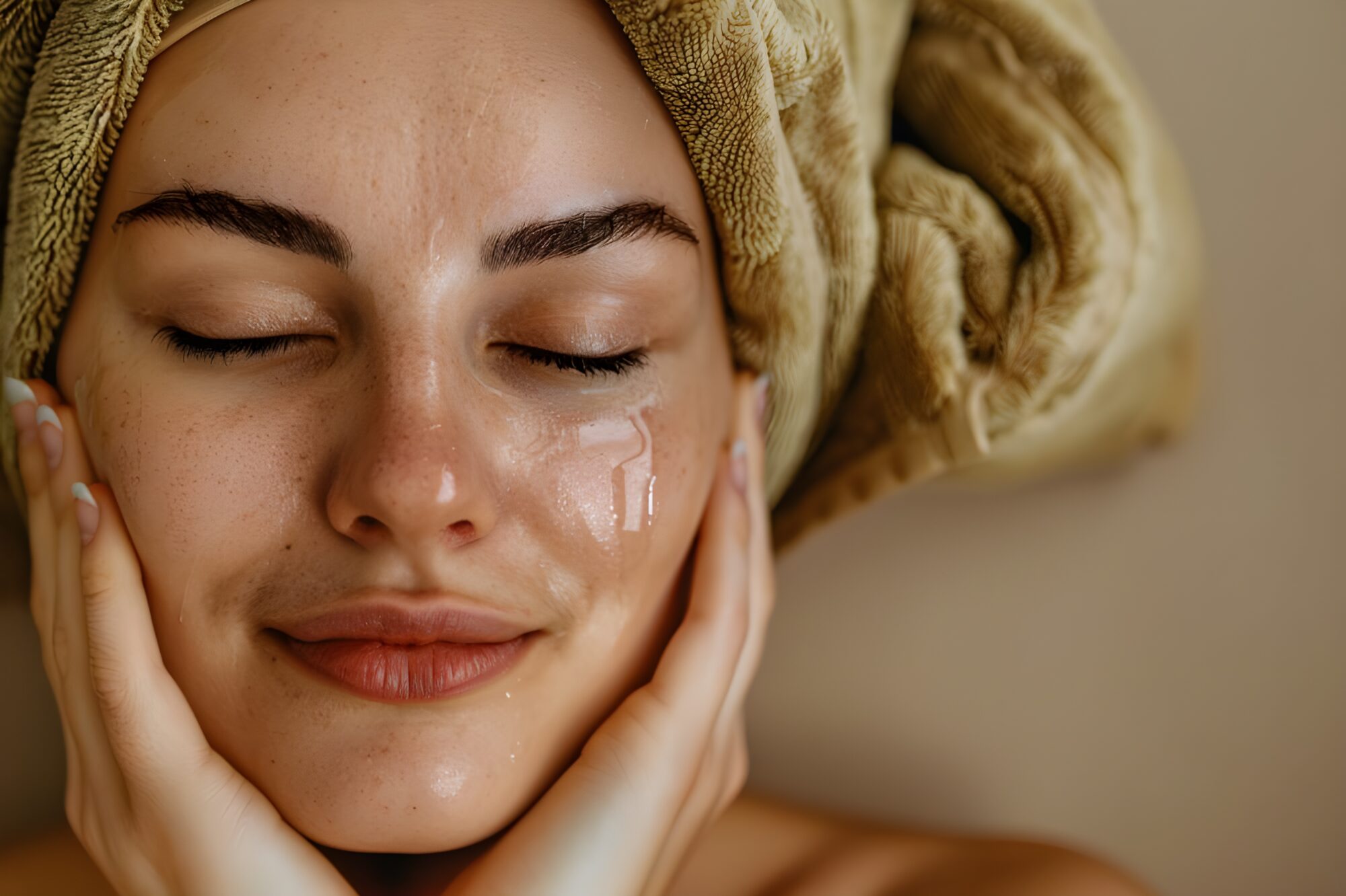
Skin Flooding in 2026: The Hydration Trend Everyone’s Talking About
A few years ago, skincare routines were all about using stronger acids, layering active ingredients, and chasing “glass skin.” But in 2026, the conversation has shifted. People are now paying more attention to hydration, barrier repair, and keeping skin calm instead of being overloaded. That’s where skin flooding comes in.
If your social feed is full of people applying layer after layer of lightweight hydrating products onto damp skin, you’re already seeing the skin flooding skincare trend in action. The idea is simple: give your skin as much hydration as possible in the right order so it can hold onto moisture better.
But is it actually helpful? Can sensitive skin handle it? And does it really support the skin barrier?
Let’s break down what skin flooding is, how it works, and whether this viral skincare trend is worth trying.
A Brief Overview of Skin Flooding
So, what is skin flooding? It’s a hydration-focused skincare method where you layer multiple lightweight, water-based products onto damp skin to lock in moisture.
The goal is to “flood” the skin with hydration before sealing it in with a moisturizer. Unlike complicated routines filled with harsh actives, skin flooding focuses on moisture, barrier support, and soothing ingredients.
A basic water-based skincare routine usually includes:
- A gentle cleanser
- Hydrating toner or essence
- Hyaluronic acid serum
- Moisturizer
- Facial oil or occlusive product (optional)
The method became popular because many people noticed their skin feeling dehydrated, irritated, or tight after overusing exfoliants and active ingredients. Skin flooding offers a more balanced approach.
How Skin Flooding Works
To understand how this skincare routine works, it helps to know the difference between dry skin and dehydrated skin.
Dry skin lacks oil. Dehydrated skin lacks water.
Many people actually deal with dehydration caused by weather changes, over-cleansing, air conditioning, stress, or using too many strong skincare products. Skin flooding targets this issue by helping the skin absorb and retain water.
The process works in layers:
- Damp skin helps improve absorption.
- Humectants like hyaluronic acid attract water into the skin.
- Moisturizers help prevent water loss.
- Barrier-supporting ingredients reduce irritation and strengthen the skin over time.
Think of it as giving your skin repeated small drinks of water instead of one heavy layer of cream.
Benefits of Skin Flooding
One reason this trend became part of the top skincare trends for 2026 is that it works for many skin types without being complicated. Here are some benefits of skin flooding:
- Better hydration
This is the biggest benefit. Skin often feels softer, plumper, and less tight after consistent hydration layering.
- Supports the skin barrier
Hydrated skin is usually healthier skin. When the skin barrier is damaged, moisture escapes more easily, leading to irritation and sensitivity. Skin flooding helps reduce that cycle.
- Makes skin look smoother
Dehydrated skin can look dull or flaky. Adding hydration can improve texture and create a fresher appearance.
- Helps makeup sit better
Many people noticed foundations look less patchy after skin flooding. This is one reason the trend appears connected ot the clean girl makeup trend.
- Can calm irritation
When done correctly with gentle ingredients, skin flooding can reduce redness and discomfort caused by dehydration.
Is Skin Flooding Good for Sensitive Skin?
Yes, in many cases. Skin flooding for ultra-sensitive skin can actually be a safer approach compared to aggressive skincare routines.
Sensitive skin often reacts poorly to strong exfoliants, fragrance-heavy products, overuse of retinols or acids, and alcohol-based formulas. Skin flooding focuses on hydration and barrier repair instead of intense treatment steps.
However, the products matter. Sensitive skin should stick to fragrance-free formulas, minimal ingredients, alcohol-free toners, and barrier-supporting ingredients like ceramides and panthenol.
If you have conditions like eczema or rosacea, avoid layering too many products at once. Even hydrating products can trigger irritation if the skin is already inflamed. The safest approach is to keep the routine simple and consistent.
Does Skin Flooding Help the Skin Barrier?
Yes, it can.
The skin barrier is the outer protective layer of your skin. Its job is to keep moisture in and irritants out. When the barrier is damaged, the skin may feel tight, itchy, red, sensitive, and flaky.
Many dermatologists now emphasize hydration and barrier repair because over-exfoliation has become common in viral skincare routines in 2026. Skin flooding supports the barrier by reducing water loss, improving moisture retention, using calming ingredients, and avoiding harsh stripping products. A healthy barrier usually leads to calmer and more resilient skin over time.
Is Skin Flooding Part of the Clean Girl Trend?
In a way, yes.
The clean girl makeup trend focuses on fresh, natural-looking skin with minimal makeup. Hydrated skin plays a huge role in achieving that look.
Skin flooding became popular because hydrated skin naturally appears smoother and more radiant. Instead of relying on a heavy highlighter or thick foundation, people started focusing more on skincare prep.
That’s why many makeup artists now use hydrating skincare methods before makeup application.
The connection between the two trends is simple—healthy-looking makeup often starts with hydrated skin.
Can You Do Skin Flooding With Homemade Remedies?
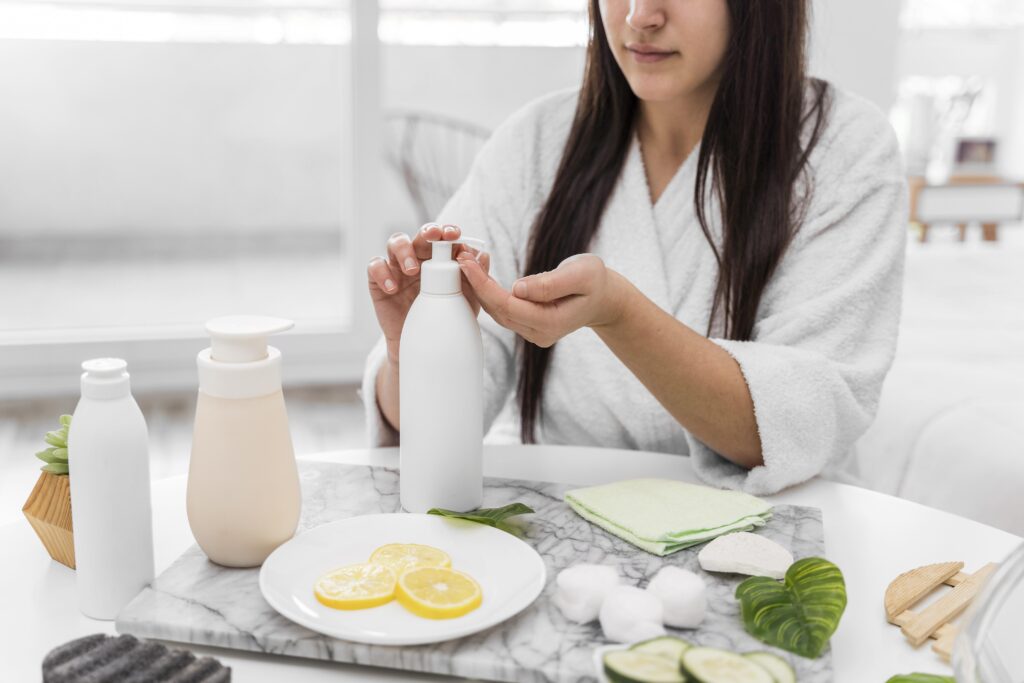
You can include some homemade elements, but it’s important to be careful.
DIY skincare sounds appealing, but not every kitchen ingredient is safe for the face. Lemon juice, baking soda, and raw scrubs can damage the skin barrier. Safer homemade options include:
- Pure aloe vera gel
- Oatmeal masks
- Honey for temporary hydration
- Chilled green tea compresses
But homemade remedies usually don’t replace properly formulated skincare products. They also may not contain ingredients in stable or effective concentrations.
For best results, combine simple hydration-focused products with occasional natural remedies rather than relying fully on DIY skincare.
Step-by-Step Skin Flooding Routine
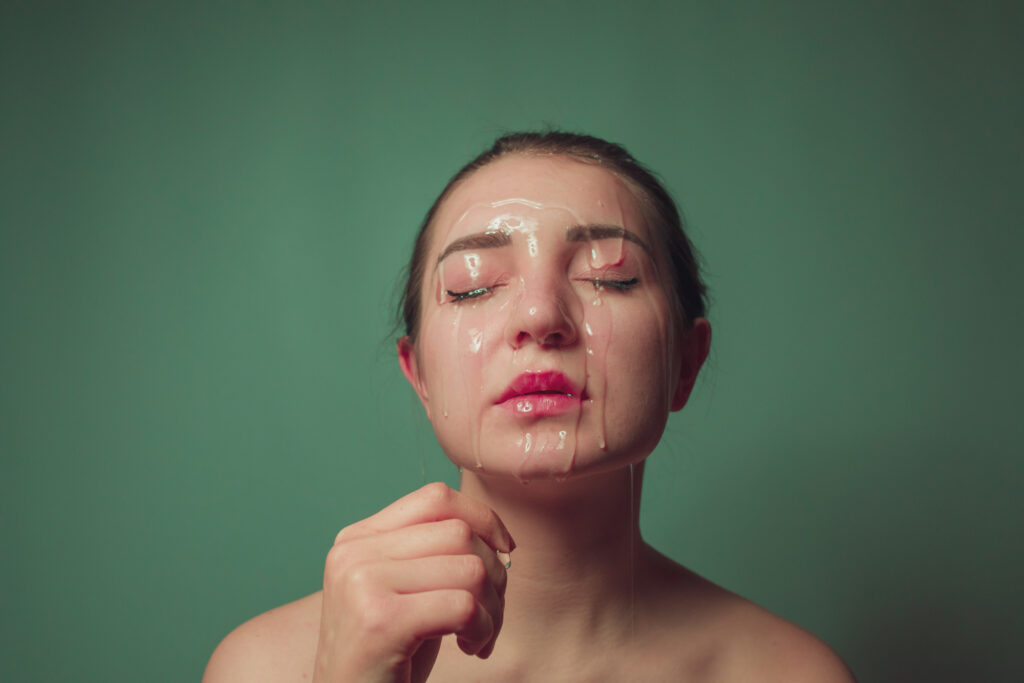
If you want to try skin flooding, here’s a simple beginner-friendly routine:
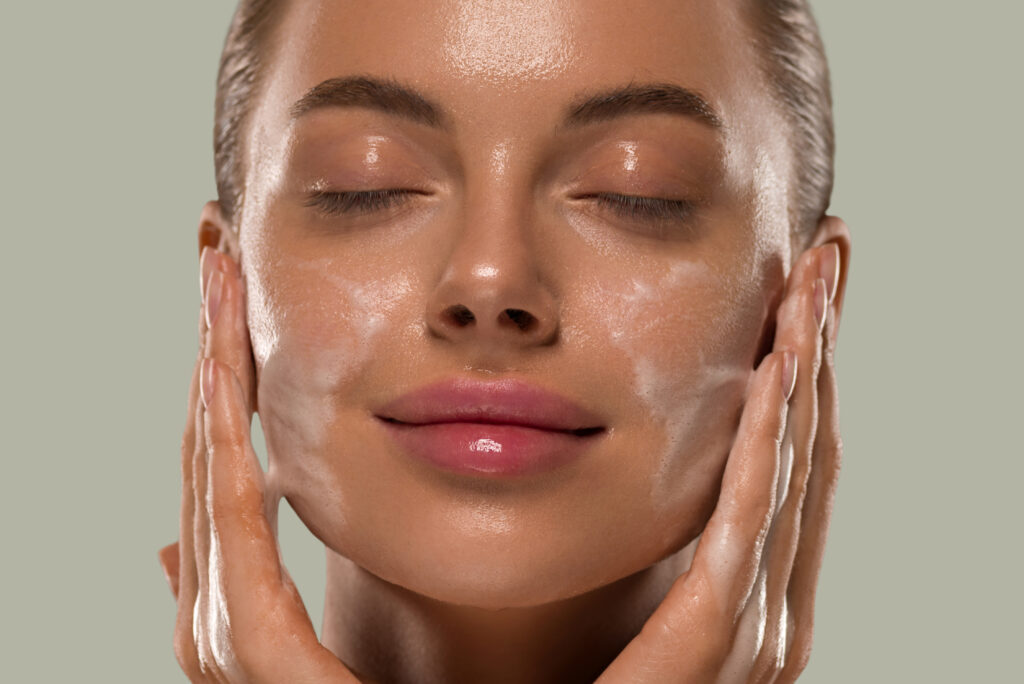
1. Use a gentle cleanser
Choose a cleaner that doesn’t leave your skin feeling tight or squeaky clean. Look for products that have glycerin in them and avoid sodium lauryl sulfate.
2. Keep skin slightly damp
Don’t fully dry your face. Damp skin helps hydrating products absorb better.
3. Apply a hydrating toner or essence
For toners and essences, choose the ones that have glycerin, rice water, panthenol, or hyaluronic acid in them.
4. Use a hydrating serum
A hyaluronic acid serum is commonly used in a skin-flooding routine. Apply it while the skin is still damp.
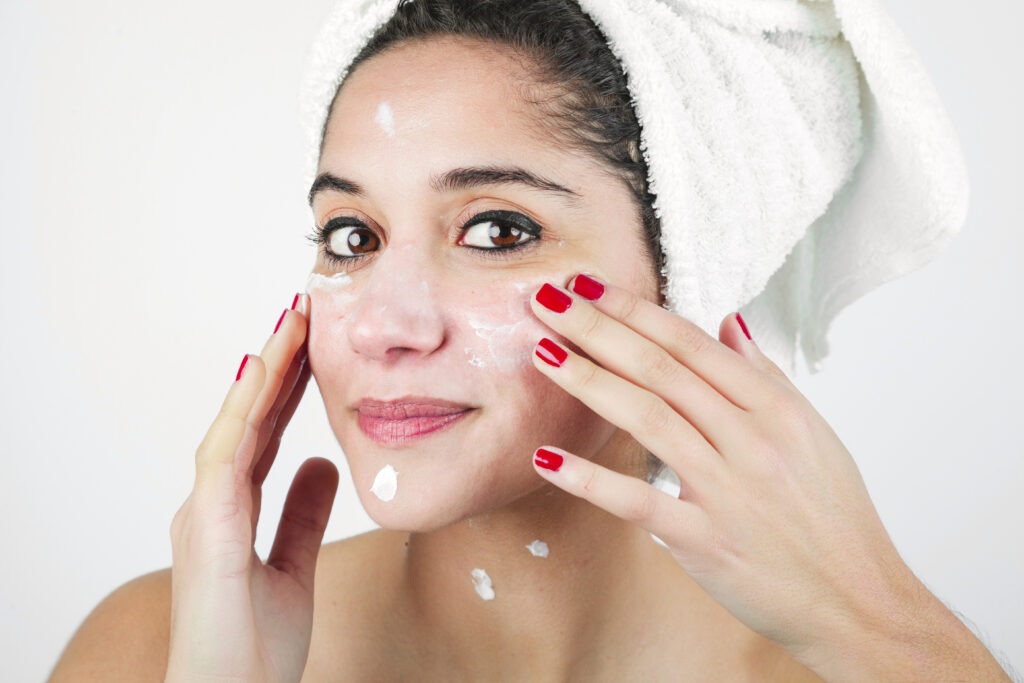
5. Seal with moisturizer
Choose a moisturizer based on your skin type. Gel creams are great for oily skin, rich creams for dry skin, and barrier creams for sensitive skin.
6. Optional facial oil
If your skin is very dry, a few drops of squalane or facial oil can help lock in hydration.
7. Use sunscreen during the day
Hydrated skin still needs UV protection.
Best Ingredients for Skin Flooding
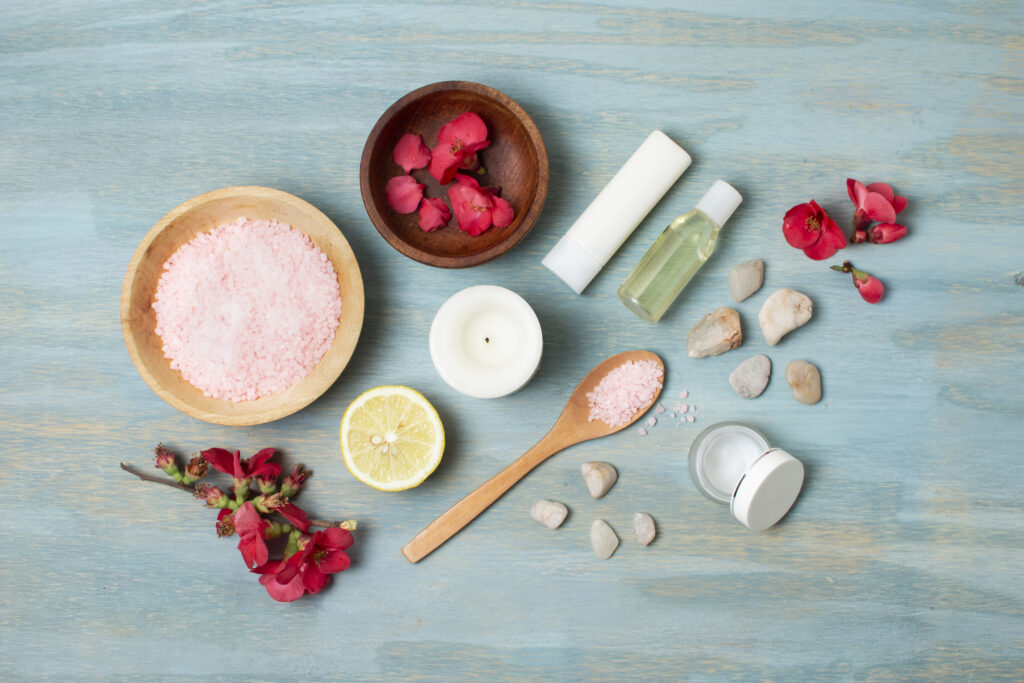
If you’re building a skin flooding routine, focus on ingredients that hydrate and support the barrier.
Humectants attract water into the skin. These include hyaluronic acid, glycerin, and aloe vera.
Barrier-supporting ingredients help strengthen the skin, such as ceramides, panthenol, and niacinamide.
Emollients soften and smooth the skin. The best types will be made with squalane, shea butter, and fatty acids.
Additionally, avoid combining too many strong actives in the same routine, especially if your skin is sensitive.
The reason skin flooding became one of the biggest viral skincare trends in 2026 is that it brings the focus back to skin health instead of harsh treatments.
It’s simple, hydration-focused, and works well for many people dealing with dehydration, irritation, or a weakened skin barrier. While it’s not a miracle fix, consistent hydration can make a noticeable difference in how skin feels and looks.
FAQs
1. What is the trend in skincare in 2026?
In 2026, skincare revolves around skin flooding, a technique focused on deep, layered hydration. By applying multiple layers of hyaluronic acid and glycerin-based products onto damp skin, this trend prioritizes a long-lasting, dewy glow and a strengthened moisture barrier.
2. Can skin flooding make you break out?
While skin flooding can boost hydration, it may cause breakouts if you use heavy, occlusive products on oily or acne-prone skin. Over-layering can trap bacteria and clog pores. Therefore, choosing lightweight, non-comedogenic serums is essential to avoid potential congestion.
3. What are the best products for skin flooding?
The best products for skin flooding include gentle pH-balanced cleansers, alcohol-free mists, and hyaluronic acid serums. Layering these on damp skin, then sealing the moisture with a ceramide-rich cream or squalane oil, ensures maximum hydration and a healthy barrier.
4. Does skin flooding really work?
Skin flooding effectively delivers intense hydration by pulling moisture into the skin’s deeper layers. When performed with quality humectants and sealed with an emollient, it successfully restores the moisture barrier, leaving the complexion appearing significantly plumper, smoother, and more radiant.

Eliza Gordon is a seasoned writer for the health industry dedicated to providing fact-based health information. She sources concise facts from authoritative sources to ensure maximum credibility and shares guidelines to lead a healthy lifestyle.
Related Articles

H&M Celebrates Its 10 Years in India With Its Brand New Beauty Line
This blog discusses H&M’s brand-new beauty line launched in the Indian market, and how this launch brings it a step closer to becoming a complete lifestyle brand.
read more
5 Budget Friendly Make-Up Products That You Can’t Miss
Remember when Luna Turner said, “I would rather lose a good earring than be caught without make-up.” I bet you felt the words. A lot of people say a good…
read moreAbout Us

The Healthcare Facts is a blog site that posts regular content on fitness, healthy eating, weight loss, healthy mind and wellness. The aim of the blogs is to encourage people stay fit and healthy physically, mentally and spiritually.
Copyright © 2026 The Healthcare Facts. All Right Reserved.