

Heatwave Alert: Why Hot Weather Can Be Risky for Your Heart
When the temperature rises, most people think about sunburn, dehydration, or just feeling uncomfortable.
But here’s something many overlook: extreme heat can put real stress on your heart. For people already dealing with heart conditions, a heatwave alert isn’t just unpleasant—it can be dangerous.
Let’s break this down in a simple, practical way so you know exactly what’s happening in your body and what you can do to stay safe.
How Summer Affects the Body

Your body is designed to maintain a stable internal temperature, usually around 37°C. When it gets hot outside, your body works hard to cool itself down. Here’s how that happens:
- Sweat evaporates from your skin, helping reduce body temperature.
- Blood vessels widen (a process called vasodilation), allowing heat to escape.
This sounds simple, but it comes at a cost. To push more blood toward your skin, your heart has to pump harder and faster. At the same time, sweating causes fluid loss, which reduces blood volume.
So, during a heatwave, your body is juggling three things:
- Lower fluid levels
- Faster heart rate
- Increased demand for circulation
For a healthy person, this is manageable. But for someone with heart disease, it can quickly become a problem.
How Summer Heat Affects Your Heart

Let’s talk about how heat affects your heart in real terms.
- Your heart works harder
As blood vessels widen, blood pressure may drop. To compensate, your heart beats faster. This extra workload can strain an already weak or damaged heart.
- Dehydration thickens the blood
When you lose fluids through sweat, your blood becomes more concentrated. This makes it harder to circulate and increases the risk of clots.
- Electrolyte imbalance
Sweating also removes essential salts like sodium and potassium. These are critical for maintaining a steady heartbeat. An imbalance can trigger irregular heart rhythms.
- Increased risk of heat illness
Conditions like heat exhaustion and heat stroke don’t just affect body temperature—they directly impact heart function. In severe cases, heart rate spikes can lead to cardiac emergencies.
- Higher risk of cardiac events
There is a clear link between summer heat and heart attacks, especially during prolonged heatwaves. The combination of dehydration, strain, and blood thickening raises the risk.
Heart Problems and the Heat: Who is Most at Risk?
Not everyone faces the same level of risk. You should be extra cautious if you:
- Have a history of heart disease
- Have high blood pressure
- Are older than 60
- Take medications like diuretics or beta-blockers
- Have diabetes or obesity
- Are male with a sedentary lifestyle
These conditions can reduce your body’s ability to regulate temperature or respond to stress, increasing the risk of heat waves for heart health.
What Should Heart Patients Avoid During Heatwaves?
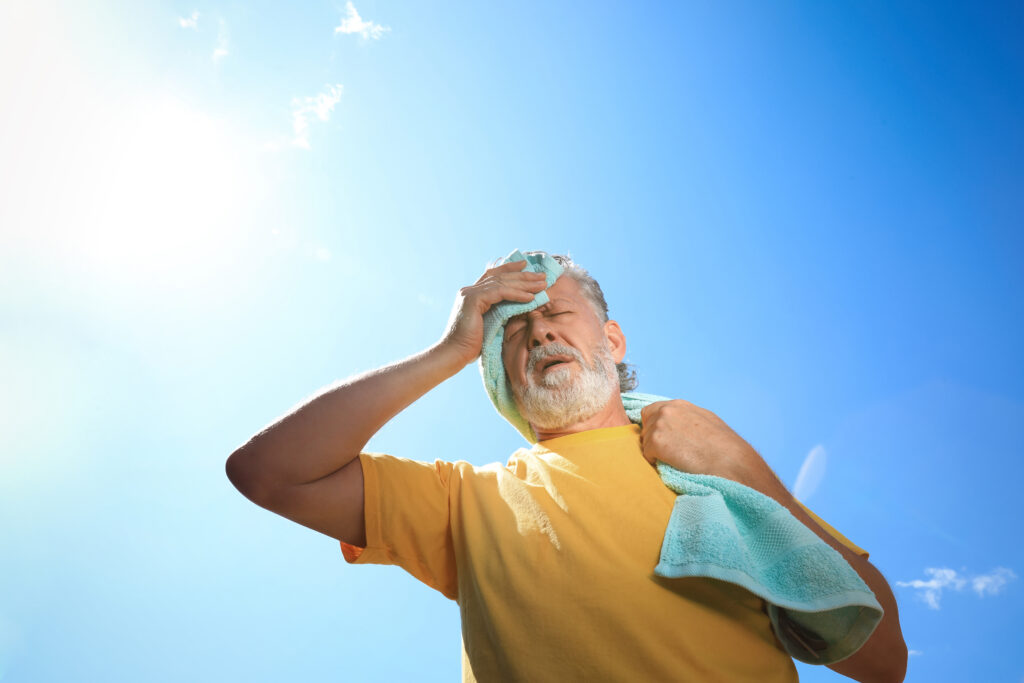
Knowing what not to do is just as important as knowing what to do.
- Avoiding outdoor activity during peak heat
Try not to step out between 11 AM and 4 PM. This is when temperatures and humidity are at their highest.
- Don’t ignore thirst
By the time you feel thirsty, your body is already slightly dehydrated. Sip water regularly throughout the day.
- Avoid heavy meals
Large meals increase metabolic heat production and put extra strain on your heart. Go for lighter, more frequent meals. Just as holiday heart syndrome is caused by junk food, try to avoid the same during extremely hot days.
- Limit caffeine and alcohol
Both can dehydrate you and affect your heart rhythm. Excessive intake during extreme heat forces your kidneys to work harder, accelerating fluid loss.
- Don’t overexert yourself
Even simple tasks like climbing stairs or walking in the sun can feel harder during a heatwave. Take breaks and pace yourself.
- Avoid tight ot heavy clothing
Clothes that trap heat make it harder for your body to cool down. Opt for loose-fitting, lightweight, and light-colored garments made from breathable fabrics like cotton or linen. These materials allow air to circulate and sweat to evaporate, aiding your body’s natural cooling process.
Summer Precautions for a Healthy Heart

Here are simple, practical steps you can follow to protect your heart during hot weather.
- Stay hydrated
Water is your best friend. Aim for small, frequent sips rather than large amounts at once. If your doctor has advised fluid restriction, follow their guidance carefully.
- Follow a summer diet for heart health
Your food choices matter more than you think. A good diet for heart health in summer includes:
- Fresh fruits like watermelon and berries.
- Vegetables with high water content, like lettuce and cucumber.
- Light meals such as salads, soups, and grilled foods.
- Reduced salt intake to avoid fluid imbalance.
- Keep your environment cool
Use fans, coolers, or air conditioning if available. Even a cool shower can help regulate body temperature.
- Monitor your medications
Some heart medications affect how your body responds to heat. Don’t stop them on your own, but talk to your doctor if you feel unusual symptoms.
- Check your blood pressure
Heat can lower blood pressure. If you feel dizzy or weak, check your readings and seek advice if needed.
- Plan your day smartly
Schedule activities early in the morning or later in the evening when it’s cooler.
Warning Signs to Look Out For
Your body gives signals when something isn’t right. Here are some signs you shouldn’t brush off.
Signs of heat exhaustion
- Heavy sweating
- Weakness or fatigue
- Dizziness
- Nausea
- Rapid pulse
Signs of heat stroke
- High body temperature (above 40°C)
- Confusion or disorientation
- Dry or hot skin (little or no sweating)
- Rapid, strong pulse
Heart-related warning signs
- Chest pain or discomfort
- Shortness of breath
- Irregular heartbeat
- Sudden fatigue
- Swelling in the legs or feet
If you notice any of these, especially chest pain or confusion, seek medical help immediately. Delaying care can be life-threatening.
Hot weather is more than just a seasonal inconvenience. It can directly affect your heart, especially if you already have a cardiac condition. Understanding heart problems and the heat helps you take control before things get serious.
The good news is that most risks can be reduced with simple habits. Stay hydrated, avoid peak heat, eat light, and listen to your body!
A little awareness goes a long way. When the next heatwave alert comes around, you’ll know exactly how to protect your heart and stay safe through the summer. Got more tips to stay healthy this summer? Share them with us at Write For Us: Health.
FAQs
1. Can a heat wave cause a heart attack?
Yes, a heat wave can trigger a heart attack. Extreme heat forces the heart to work harder to cool the body, increasing cardiovascular strain. Dehydration further thickens the blood, raising the risk of clots. For those with underlying conditions, this combination can lead to a cardiac event.
2. Who is most at risk during a heatwave?
Those most at risk include infants, young children, and the elderly, as their bodies struggle to regulate temperature. People with chronic conditions like heart or lung disease, outdoor workers, and those without access to cooling are also highly vulnerable to heat-related illnesses during extreme temperature spikes.
3. How to stay safe from a heatwave?
To stay safe during a heatwave, prioritize hydration by drinking plenty of water and avoiding caffeine. Seek air-conditioned environments, wear lightweight, light-colored clothing, and limit outdoor activities to cooler morning or evening hours. Always check on vulnerable neighbors and never leave children or pets in parked cars.
4. Should heart patients avoid heat?
Yes, heart patients should avoid extreme heat whenever possible. High temperatures place significant stress on the cardiovascular system as the heart pumps faster to cool the body. This strain, combined with potential dehydration and medication side effects, increases the risk of heart failure, arrhythmias, or heatstroke.

Eliza Gordon is a seasoned writer for the health industry dedicated to providing fact-based health information. She sources concise facts from authoritative sources to ensure maximum credibility and shares guidelines to lead a healthy lifestyle.
About Us

The Healthcare Facts is a blog site that posts regular content on fitness, healthy eating, weight loss, healthy mind and wellness. The aim of the blogs is to encourage people stay fit and healthy physically, mentally and spiritually.
Copyright © 2026 The Healthcare Facts. All Right Reserved.