
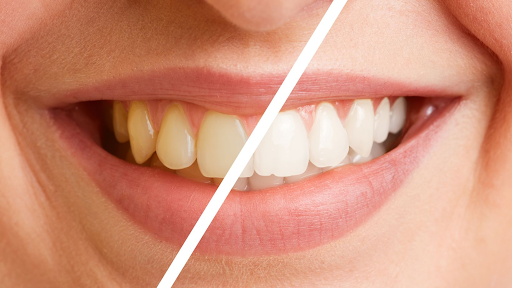
How Professional Teeth Cleaning Removes Brown Stains
You glance in the mirror. You smile. Then you stop. Something’s off. There’s a brownish tint along your teeth. Maybe brown lines between teeth you haven’t noticed before. Or maybe it’s sudden brown stains on teeth that literally showed up overnight. Frustrating? Absolutely.
Here’s the thing — this happens to so many people. Even the careful brushers. Even the flossers. Brown staining is incredibly common. And the best part? It’s very treatable. If you’re in Houston and you’ve been stressing about this, keep reading. This post covers everything you need to know.
You’ll learn what’s causing the stains, how professional teeth cleaning actually works, and what to expect after your appointment.
What Causes Brown Stains on Teeth
Stains don’t just appear randomly. Something’s always triggering them. Let’s break it down.
Surface Stains
These are the big ones. Coffee is a major culprit. So is tea, red wine, and dark-colored sauces. Your enamel is porous. It picks up pigment from what you eat and drink. Tobacco and smoking make things worse — fast. These stains live on the outer layer of the tooth. That’s actually good news. Surface stains are the easiest to treat.
Deeper Staining
Not all discoloration sits on the surface. Some goes deeper. Enamel naturally thins as you age. When it does, the darker layer underneath starts showing through. Certain antibiotics — tetracycline, for example — can stain teeth from the inside. Fluorosis, caused by too much fluoride early in life, does the same. These take more than a basic cleaning to address.
Tartar Buildup
Here’s one people overlook all the time. Plaque builds up on your teeth daily. If it’s not removed completely, it hardens. That hardened plaque? That’s tartar. And tartar turns brown or yellowish over time. It sticks near the gumline. It wedges between teeth. No toothbrush can touch it. Many people in Houston are surprised to find out tartar — not diet — is behind their discoloration.
Why Home Remedies Don’t Always Cut It
So you spot a stain. You grab whitening toothpaste. Maybe some strips. Totally understandable. But these products have real limits, and it’s worth knowing them.
Whitening toothpaste polishes lightly. That’s genuinely all it does. It won’t remove tartar. It won’t fix intrinsic staining. Strips are stronger, sure. But they’re still not made for heavy buildup. And overusing them? That damages enamel. Enamel doesn’t grow back. Thinner enamel means more sensitivity — and more staining vulnerability down the road.
Some stains genuinely need a professional. That’s not an exaggeration. That’s just reality.
What Happens During a Professional Teeth Cleaning
A proper dental cleaning goes way beyond what most people imagine. It’s thorough, methodical, and honestly pretty satisfying once it’s done. Here’s what actually happens.
The Initial Check
Your hygienist starts with a full look at your teeth and gums. They check what kind of staining you have. They note any trouble spots. This step shapes everything that follows.
Scaling
This is where real change happens. Scaling breaks down and removes hardened tartar. Your hygienist uses a small scraping tool — manual or ultrasonic — to work along the gumline and between teeth. Those brown lines between teeth that bothered you? Scaling targets exactly that. It clears buildup that brushing simply can’t.
Polishing
Scaling is done. Now comes polishing. A rotating brush and a slightly gritty paste buff away surface stains. It’s gentle. It’s effective. Your teeth feel smooth and clean when it’s finished — that squeaky-clean feeling is real and wonderful.
Flossing and Rinsing
Simple but necessary. Any debris sitting between your teeth gets cleared out. A rinse washes everything away. Clean slate.
Fluoride Treatment
Some offices finish with a fluoride application. It strengthens your enamel right after cleaning. Not every dentist does this step, but it’s a great bonus when they do.
Special Tools for Stubborn Staining
Heavy staining sometimes needs more than a standard cleaning. Good news — there are options. Many dental offices providing professional teeth cleaning services in Houston have these tools ready to go.
Air polishing is one of them. It sends a fine stream of air, water, and powder across the tooth surface. It lifts deeper stains without being harsh. Patients love how gentle it feels.
Ultrasonic scalers use rapid vibration to break apart thick tartar deposits. Fast, effective, and way more comfortable than it sounds.
Specialty polishing agents are professional-grade pastes built for serious discoloration. You won’t find these at a drugstore. Your dentist will let you know if any of these make sense for your specific situation.
What You Can Realistically Expect
Let’s be straight here. Cleaning and whitening are not the same thing. Cleaning removes buildup and stains. It gets your teeth back to their natural, healthy state. Whitening changes the actual shade of enamel. Different process. Different outcome.
Surface stains and tartar-based discoloration? Big improvement after one session — usually. Intrinsic staining? Cleaning might not fully resolve it. But it’s always the right first move. Results from a cleaning typically last several months. Your habits afterward make a huge difference.
When Other Cosmetic Options Make Sense
Cleaning didn’t fully fix it? Don’t stress. There are more paths forward. Your Houston dentist can guide you through what fits your teeth and budget best.
In-office whitening lifts enamel color by several shades in one sitting. Dental bonding covers stubborn, localized spots effectively. Veneers are the longer-term solution for deep or permanent staining. These aren’t always needed. But knowing they exist? That’s genuinely reassuring.
Start with cleaning. Always. It’s step one for a reason.
How to Stop Stains from Coming Back
Keeping stains away is easier than removing them. Once your teeth are clean, protect that result. These habits make a real difference.
- Brush twice daily with fluoride toothpaste
- Rinse with water right after coffee, tea, or dark foods
- Use a straw whenever you can for staining drinks
- Cut back on tobacco — or quit entirely
- Book a teeth cleaning in Houston every six months, without skipping
Small habits. Consistent effort. Big payoff over time.
Frequently Asked Questions
1. Does professional teeth cleaning hurt people with sensitive teeth?
It can cause some mild sensitivity during or after the session. It shouldn’t be painful, though. Tell your hygienist before they start — they’ll adjust their tools and pressure to keep you comfortable throughout.
2. How quickly will brown stains visibly improve after one cleaning?
Most surface stains and tartar-related discoloration clear up right after your appointment. Once polishing is done, your teeth look noticeably cleaner and brighter. You’ll feel the difference immediately.
3. Can sudden brown stains on teeth return after professional cleaning?
Yes, stains can return — especially with regular coffee, tea, or tobacco. Brushing consistently and scheduling cleanings every six months helps prevent buildup from forming again.

Eliza Gordon is a seasoned writer for the health industry dedicated to providing fact-based health information. She sources concise facts from authoritative sources to ensure maximum credibility and shares guidelines to lead a healthy lifestyle.
Related Articles
How Cosmetic Dentistry Can Improve Your Smile and Confidence
Your smile tells a story. People pick up on it instantly. And it shapes how you feel about yourself too. When you genuinely love your smile, you walk taller. You…
read more
Ace Your Learning for the Dental Assistant Certification with Top 6 Tips
Did you think that learning in dental assistant programs is easy? Not until you join a course. From grasping the basic terms to developing a clear understanding of the topics,…
read more
About Us

The Healthcare Facts is a blog site that posts regular content on fitness, healthy eating, weight loss, healthy mind and wellness. The aim of the blogs is to encourage people stay fit and healthy physically, mentally and spiritually.

Copyright © 2026 The Healthcare Facts. All Right Reserved.