
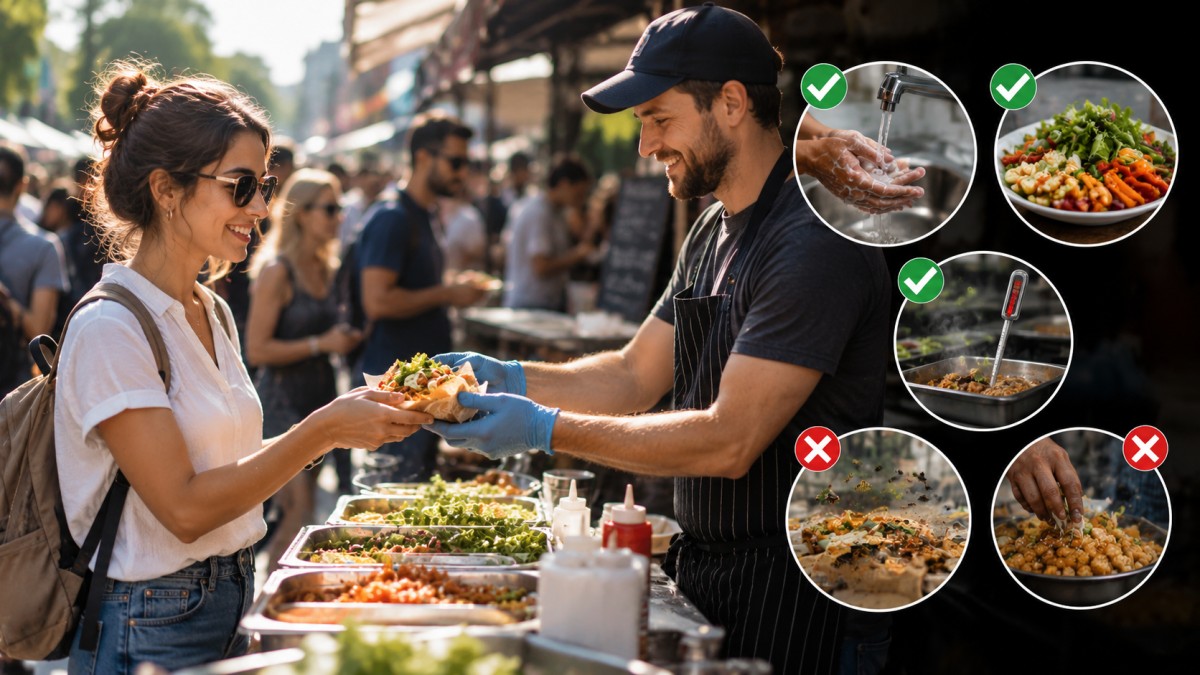
Summer Street Food Safety: How to Avoid Food Poisoning
Did you know that cases of food poisoning spike dramatically as the temperatures rise? Harmful pathogens multiply when it’s hot. Without proper hygiene, contamination can occur more rapidly. It can turn into a severe health risk in just a matter of hours.
Street food in summer attracts millions of people every day. When food is prepared, stored, or displayed at high temperatures, the bacteria can reproduce rapidly. Food left uncovered or stored at unsafe temperatures can quickly become breeding grounds for bacteria. Consuming that food can lead to severe food poisoning.
“Foodborne diseases are preventable, but prevention requires attention all along the food chain—from production to preparation.”
According to Dr. Margaret Chan, Former Director-General, World Health Organization (WHO), foodborne diseases can be prevented only if the food chain, from production to preparation, is maintained properly.
The onset of illness can range from a few minutes to several days after eating contaminated food. The duration of the illness depends on the specific pathogen. People over the age of thirty, especially those with heart problems, should take special care of themselves during the summer. When you combine extreme heat strain on the body with a severe bout of food poisoning in summer (which causes vomiting, diarrhea, and rapid dehydration), the physical toll is massive.
For someone over 30—and especially someone with a pre-existing heart condition—this double dose of dehydration and physical stress can escalate from a standard stomach bug into a severe cardiovascular emergency.
Nearly 1 in 9 people worldwide fall ill from contaminated food every year. Children under five years old face the highest risk of severe foodborne illnesses and account for a significant share of foodborne disease-related deaths.
Simple precautions such as eating freshly cooked food, drinking safe water, washing hands regularly, and avoiding food that has been left in the open for long periods can significantly reduce the risk of illness.
Why does food poisoning increase during the summer?

During the summer, humid weather creates an environment conducive to the growth of bacteria and viruses. According to the World Health Organization, an estimated 866 million people worldwide fall ill from contaminated food each year, and 1.52 million deaths are linked to unsafe food annually.
For most adults, food poisoning is miserable for 48 hours, which can be managed at home with rest, having nutritious food, and consuming ORS. However, it can quickly escalate in young children, senior citizens, and those with weakened immune systems.
Young children have smaller body mass. As a result, they lose fluids at a much faster rate while their immune systems are still developing. Senior citizens have a weakened immune system, which makes it harder for their bodies to recover from dehydration. Additionally, people lacking a fully functioning immune defense cannot easily fight off bacteria and viruses. As a result, they are easy prey for these microorganisms as temperatures soar.
Common causes of food poisoning
The Temperature Danger
Bacteria like E. coli and Salmonella multiply at lightning speed in high temperatures. When food is out in hot, humid weather, harmful toxins can form in a matter of hours. This increases the risks of food poisoning.
Contaminated Water & Ice
Street vendors rely on accessible local water for washing ingredients. This may carry waterborne illnesses or pollutants. Summer and food poisoning risks tend to magnify with heat. Touching contaminated surfaces can transfer harmful germs to food as well.
Improper Storage System
Meats, dairy (paneer, curd), and mayonnaise-based spreads spoil quickly without adequate refrigeration. Using the same utensils or cutting boards for raw and cooked foods can transfer harmful microorganisms.
Hygiene
Follow the summer food safety guidelines accurately to avoid illness during this hot and humid weather. Proper hygiene is one of the most effective ways to prevent foodborne illnesses. Street food vendors who maintain clean cooking surfaces and wash utensils regularly are less likely to serve contaminated food.
Environmental Exposure of Street Food
Open-air stalls often expose food to dust, flies, and air pollution, allowing surface bacteria to thrive. This causes stomach problems, and the stomach infection symptoms increase if not taken care of on an immediate basis.
Dr. Puneeth B.S., Consultant Gastroenterologist and Hepatologist, Manipal Hospital, Bengaluru, explains how higher temperatures are the ideal environment for harmful bacteria such as Staphylococcus, E. coli, and Salmonella to multiply quickly. Moreover, he advises eating freshly prepared meals, maintaining refrigeration below 5°C, drinking clean water, and following proper hand hygiene as among the most effective ways to prevent summer-related food poisoning and gastrointestinal infections.
Street Food Safety Tips For Summer
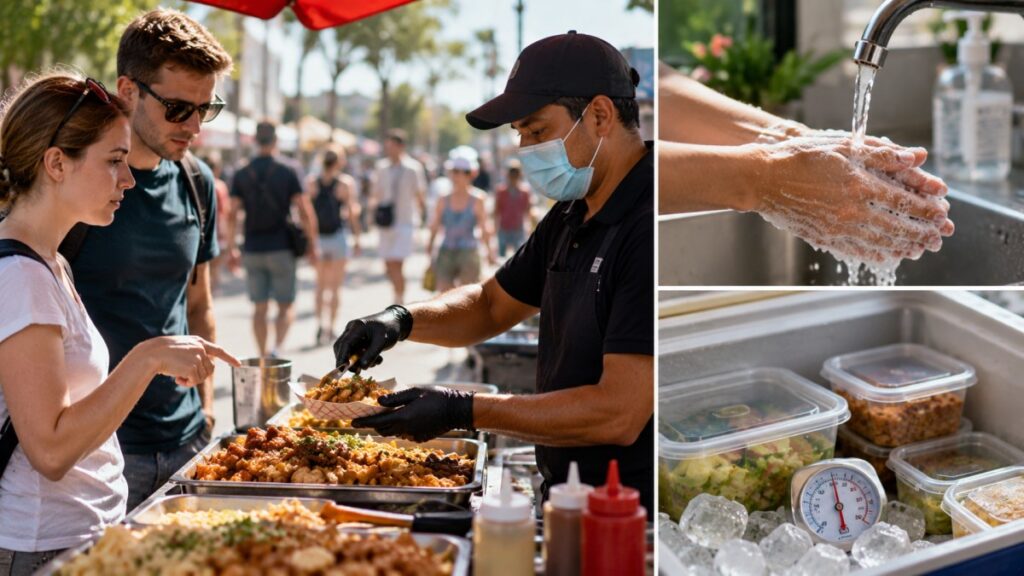
Food poisoning can often be prevented by taking a few food safety precautions, especially when eating street food or dining outdoors.
Drink Safe Water
Always choose bottled, filtered, or properly purified water. Stay hydrated to avoid further complications. Avoid ice in drinks if you are unsure about the quality of the water used to make it. Street food health risks can be elevated if you are not careful in choosing the type of food you are having.
Practice Good Hand Hygiene
Wash your hands thoroughly with soap and water before eating. Check the sanitation of the area from where you are consuming food. A well-defined hygiene schedule can save you from many illnesses.
Check Food Storage Conditions
Avoid foods that are displayed uncovered or stored in direct sunlight. Perishable items should be kept cool and protected from environmental contaminants.
Be Cautious With Dairy and Seafood
Milk-based desserts, yogurt drinks, seafood, and meat products spoil quickly in hot weather. Consume them only from trusted sources.
The 2-Hour Rule
The 2-Hour Rule says never leave perishable foods or cooked meals out at room temperature for more than 2 hours. Food spoilage in summer is a very common occurrence. Prevention is always better than treatment. By paying attention to food hygiene, you can greatly reduce the risk of food poisoning and enjoy the summer season safely.
The Centers for Disease Control and Prevention (CDC) lists the most common food poisoning symptoms as acute diarrhea, nausea accompanied by vomiting, high fever, and stomach cramps. CDC warns that severe cases can lead to dehydration and may require medical attention. If you are facing any food poisoning symptoms, like acute stomach ache or nausea, contact your trusted healthcare provider immediately.
Foods To Avoid In Summer Heat
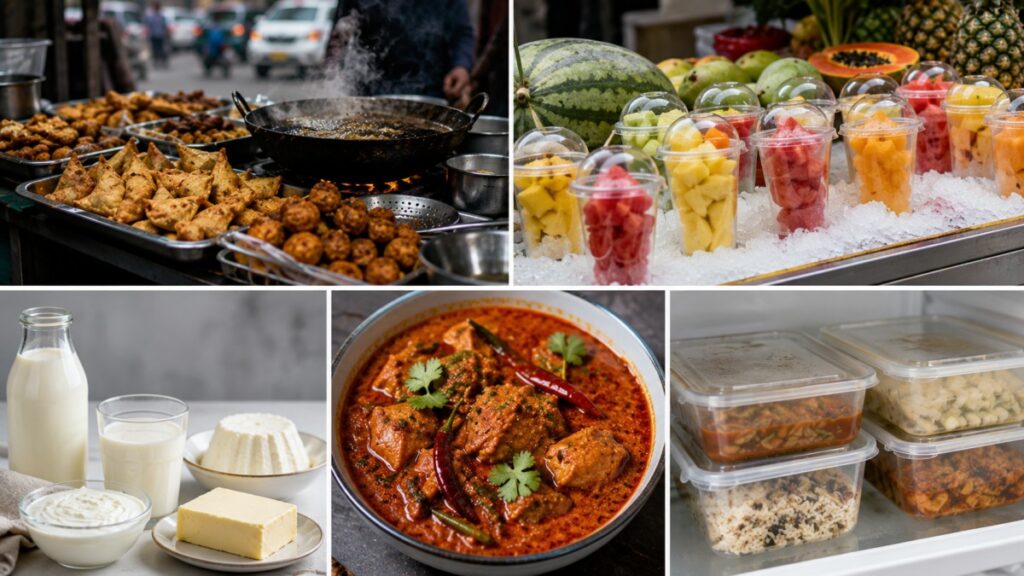
1. Street Food Left Out in the Open
Foods that remain exposed to heat, dust, and insects for long periods are more likely to become contaminated. Avoid snacks that appear to have been sitting out for hours. Follow the summer food safety tips to stay healthy and refreshed throughout the season.
In Telangana, a suspected food poisoning incident at a hostel reportedly left 55 students ill after dinner. The event highlighted the importance of maintaining safe food preparation standards in community settings.
2. Cut Fruits Sold by Roadside Vendors
While fruits are healthy, pre-cut fruits exposed to warm temperatures can quickly become breeding grounds for bacteria. If pathogens like Salmonella, E. coli, or Listeria are present on the outside of the fruit’s skin (from soil, contaminated irrigation water, or handling), the knife blade can drag those bacteria straight into the flesh during slicing.
3. Dairy Products Kept at Room Temperature
Milk-based sweets, flavored milk, yogurt drinks, and cream-filled desserts can spoil rapidly in hot weather if not refrigerated properly. Always have fresh food. This is one of the best ways to avoid summer gut infections. Recent food safety advisories from the Food Safety and Standards Authority of India emphasize extra caution with fermented foods and foods stored in hot weather.
4. Avoid Spicy And Leftover Food
While spices are a staple in many cuisines, excessive consumption during extreme heat may cause digestive irritation in some individuals. Cooked food left at room temperature for extended periods can develop harmful bacteria.
When to Seek Medical Help
Contact a healthcare professional immediately if:
- Fever exceeds 102°F (39°C)
- Symptoms persist for more than 48 hours
- Severe dehydration develops
- Continuous vomiting prevents fluid intake
While most cases of food poisoning improve within 24 to 48 hours with rest, hydration, and proper nutrition, some symptoms may indicate a more serious infection that requires proper medical attention. Early medical intervention can help prevent serious health issues and ensure a faster recovery.
Quick Summer Food Safety Checklist
| Safety Tip | Why It Matters |
| Wash your hands before eating | Removes germs and reduces the risk of foodborne infections. |
| Drink purified or bottled water | Prevents waterborne diseases and stomach infections. |
| Avoid ice from unknown sources | Ice made from contaminated water can carry harmful bacteria and viruses. |
| Choose freshly prepared food | Freshly cooked meals are less likely to harbor bacteria. |
| Avoid food left in the open | Exposure to heat, dust, and insects increases contamination risk. |
| Check food storage conditions | Proper refrigeration slows bacterial growth and food spoilage. |
If a food item looks, smells, or tastes unusual, it is safer to avoid eating it. Harmful bacteria can grow in food without always causing obvious signs of spoilage, especially during hot weather. Consuming suspicious food may increase the risk of food poisoning. When in doubt, it is always better to discard the food than risk a foodborne illness.
Healthy Practices For Summer

Consume Fresh Food
Light, freshly prepared meals are often easier to digest. Have lots of seasonal fruits and vegetables to keep your immune system strong. Salads and yogurt are also beneficial as they support digestion and help keep the body cool. Drinking plenty of water, coconut water, and other hydrating fluids can further help maintain energy levels during hot weather. Avoid heavy, oily, or spicy foods, as they may increase discomfort and contribute to digestive issues.
For a budget-friendly, balanced diet, consider including whole grains, steamed vegetables, and lean proteins such as grilled chicken, fish, tofu, or paneer instead of deep-fried alternatives. These are the primary tips to avoid food poisoning.
Smart Strategies
Simple practices such as covering food, using clean water for preparation, and disposing of waste properly can significantly reduce the spread of harmful microorganisms. The risk of food poisoning decreases substantially. These are the expert tips for safe street food consumption. Additionally, staying hydrated and having lots of fruits and vegetables makes food experiences safer and more enjoyable.
Making proper food choices during the summer can go a long way in protecting your health and well-being. It can also reduce the chances of food poisoning. Thus giving you the strength to stay energized and beat the heat more effectively. If you are interested in health and hygiene, you can share your tips at Write for us Food.
FAQ
1. What medicine will help with food poisoning?
The treatment for food poisoning depends on the cause and severity of the symptoms. Some need oral rehydration solution while some may need serious medical treatment if the symptoms worsen.
2. What drinks help with food poisoning?
Staying hydrated is one of the most important aspects of recovering from food poisoning. Oral rehydration solutions, water, coconut water, clear broths, and electrolyte-rich drinks can help replace fluids lost through vomiting and diarrhea.
3. What are 5 high-risk foods for food poisoning?
Some foods are more likely to harbor harmful bacteria if not handled or stored properly. Five common high-risk foods include:
- Undercooked meat and poultry
- Seafood and shellfish
- Milk and dairy products
- Pre-cut fruits and raw salads
- Cooked foods left at room temperature for extended periods
4. How long do food poisoning symptoms last?
The duration depends on the severity of illness and the individual’s health. Mild cases may improve within 24 to 48 hours, while more complicated infections can last several days or even a week.
5. What is the best home remedy for food poisoning?
The most effective home remedy for food poisoning is staying hydrated by drinking plenty of water, ORS, coconut water, or clear soups, which can help prevent dehydration. Avoid spicy and oily foods until the stomach has fully settled.

Eliza Gordon is a seasoned writer for the health industry dedicated to providing fact-based health information. She sources concise facts from authoritative sources to ensure maximum credibility and shares guidelines to lead a healthy lifestyle.
Related Articles
How to Eat Well On a Shoestring Budget?
Is nutritious food expensive? Is it difficult to eat healthy food affordably? Well, the truth is that you can eat a fully nutritious meal on a shoestring budget. All that…
read more
Exploring The Significance of Local And Seasonal Eating
From doctors, and nutritionists to health experts, all of them are encouraging people to include seasonal and local food items in their diet. Be it fruits or vegetables, focusing on…
read more
About Us

The Healthcare Facts is a blog site that posts regular content on fitness, healthy eating, weight loss, healthy mind and wellness. The aim of the blogs is to encourage people stay fit and healthy physically, mentally and spiritually.

Copyright © 2026 The Healthcare Facts. All Right Reserved.