
Rheumatoid Arthritis Diet: What to Eat, What to Skip, and What Actually Helps
Managing a long-term condition like rheumatoid arthritis (RA) can feel a bit like managing your finances. You can’t control everything, but the right daily choices can make a real difference over time. While medication plays a central role, your diet is one area where small, consistent decisions may help support your overall health.
So, how can a rheumatoid arthritis diet plan help? Let’s break that down in a simple, practical way.
What is Rheumatoid Arthritis? And Does a Diet Really Help?

RA is an autoimmune condition. That means your immune system, which is meant to protect you, starts attacking your joints by mistake. This leads to inflammation, pain, stiffness, and sometimes long-term joint damage.
Unlike wear-and-tear arthritis, RA is systemic. It can affect multiple joints and even other parts of the body.
Now, here’s the important question: can a rheumatoid arthritis diet plan fix the problem?
But here’s where it gets interesting.
Diet can help manage inflammation, which is at the core of RA symptoms. Think of food as a supporting tool. It won’t replace your treatment plan, but it can complement it. Some foods may help reduce inflammation, while others may make it worse. Over time, these choices can influence how you feel day to day.
Best Rheumatoid Arthritis Diets
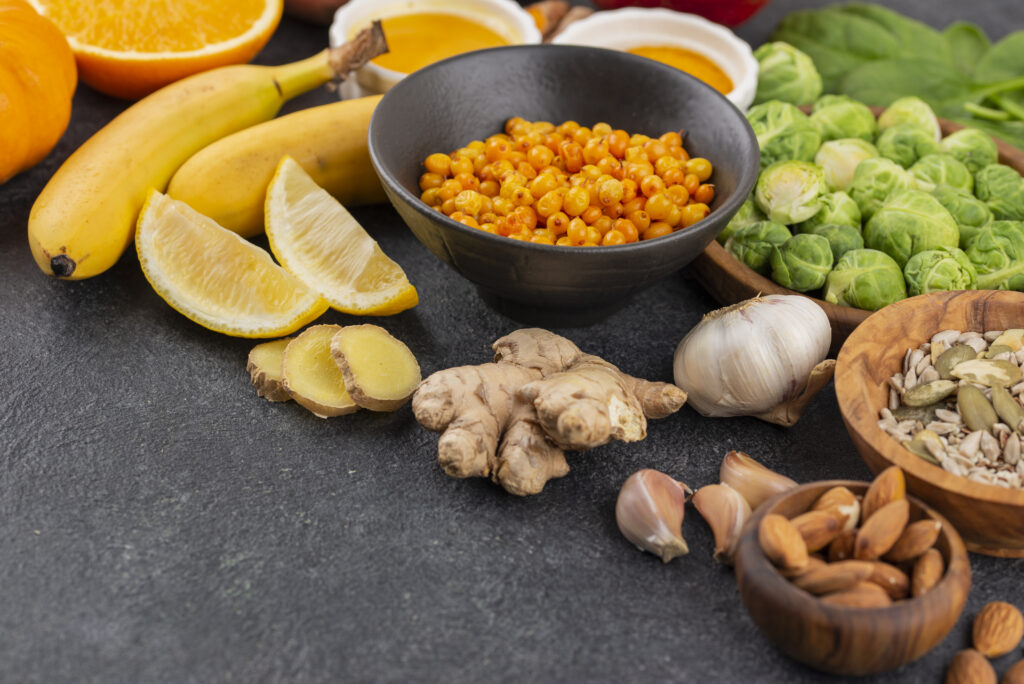
There’s no single rheumatoid arthritis diet, but a few eating patterns consistently show benefits. These are less about strict rules and more about sustainable habits.
Mediterranean Diet
This is often considered the gold standard for reducing inflammation. It focuses on:
- Fruits and vegetables
- Whole grains
- Olive oil as the main fat
- Fish and lean proteins
- Nuts and seeds
Why it works: It’s rich in anti-inflammatory nutrients and healthy fats. It also avoids highly processed food, which is often linked to inflammation.
Anti-Inflammatory Diet for Rheumatoid Arthritis
This is more of a principle than a fixed plan. It emphasizes:
- Whole, minimally processed foods
- Healthy fats
- Foods rich in antioxidants
You can think of it as a flexible version of the Mediterranean diet, tailored to your preferences.
Plant-Based Diet
Some people with RA report improvement when they reduce or eliminate animal products. A plant-based diet includes
- Fruits and vegetables
- Legumes
- Whole grains
- Nuts and seeds
Why it works: These foods are naturally high in fiber and antioxidants, which support gut health and may reduce inflammation.
Foods to Eat: What Supports Your Body

Instead of focusing only on restrictions, it helps to know what to add more of to your rheumatoid arthritis diet.
- Fatty Fish
Salmon, sardines, and mackerel are some examples of fatty fish.
These are rich in omega-3 fatty acids, which are known for their anti-inflammatory effects. Regular intake may help reduce joint stiffness and pain.
- Fruits and Vegetables
Berries, leafy greens (spinach, kale), and broccoli make the best diet for rheumatoid arthritis. They are packed with antioxidants that help fight inflammation at a cellular level.
- Whole Grains
Whole grains like brown rice, oats, and quinoa are beneficial for managing RA. These provide steady energy and contain fiber, which supports gut health. A healthy gut may play a role in managing inflammation.
- Healthy Fats
Healthy fats sources include olive oil, avocados, and nuts like almonds and walnuts. These fats support heart health and may help lower inflammatory markers.
- Legumes
Lentils, chickpeas, and beans are affordable, filling, and nutrient-dense. They are also a great protein source if you’re cutting back on meat.
- Spices with Benefits
Turmeric and ginger are often highlighted for their potential anti-inflammatory properties. Adding them to meals is an easy, low-risk step.
Food to Avoid in a Rheumatoid Arthritis Diet: What May Trigger Symptoms

Just as some foods support your system, others can work against it.
- Processed and Packaged Food
Chips, ready-to-eat meals, and sugary snacks shouldn’t be a part of your rheumatoid arthritis diet. These often contain unhealthy fats, excess sugar, and additives that may increase inflammation.
- Refined Carbohydrates
White bread, pastries, and sugary cereals fall into this category. They can cause spikes in blood sugar, which may contribute to inflammation over time.
- Red and Processed Meat
Frequent consumption of processed meats (like sausages or bacon) may be linked to higher inflammation levels.
- Excess Sugar
Sugary drinks, desserts, and sweets can promote inflammatory responses in the body. It’s not about eliminating sugar completely, but reducing regular intake.
- Fried Foods
Deep-fried items often contain trans fat or unhealthy oils, which can worsen inflammation.
- Alcohol
Moderate consumption may be fine for some people, but too much alcohol can interfere with medications and increase inflammation.
Does a Diet Plan Make a Real Difference?
Here’s the practical view.
A rheumatoid arthritis diet isn’t a quick fix. You’re unlikely to see overnight results. But over weeks and months, consistent choices can influence:
- Energy levels
- Frequency of flare-ups
- Overall inflammation
Think of it like building a long-term portfolio. Each healthy meal is a small deposit. Over time, those deposits add up!
Also, responses vary. What works for one person may not work for another. It’s useful to observe patterns—keep track of foods and symptoms if needed.
Simple Tips to Get Started
You don’t need a complete overhaul to start feeling better. Often, the best way to manage inflammation is by making small, sustainable swaps that fit into your daily routine. Here’s how you can begin:
- Swap refined grains for whole ones
Instead of white bread or white rice, try brown rice, quinoa, or whole-grain oats. These provide more fiber, which is known to help lower levels of C-reactive protein, a marker of inflammation in the blood.
- Add one serving of vegetables to every meal
You don’t have to become a vegetarian overnight. Just try adding a handful of spinach to your morning eggs, or a side of steamed broccoli to your dinner. The antioxidants in colorful veggies help protect your joints from further stress.
- Include fish a couple of times a week
Fatty fish like salmon, mackerel, and sardines are packed with omega-3 fatty acids. Think of these as “natural lubrication” for your joints. They help reduce the stiffness and pain that often come with RA.
- Replace fried snacks with nuts and seeds
When you need a crunch, reach for walnuts, almonds, or chia seeds instead of chips. They are high in healthy fats and protein, keeping you full without the inflammatory oils found in processed snacks.
- Cook more meals at home
This is the easiest way to control what goes into your body. By preparing your own food, you can avoid the hidden sugars and excessive salt found in takeout, both of which can trigger unwanted flare-ups.
If you’re too busy to cook, try to follow our tips.
Note: Consistency matters more than perfection. Even if you pick one of these tips to start with this week, you’re already moving in the right direction for your long-term health.
Rheumatoid arthritis requires a long-term management approach. Medication, physical activity, and professional medical guidance remain essential. But diet is the one you control daily. By choosing foods that support your body and limiting those that don’t, you’re investing in your long-term well-being instead of just managing symptoms.
It’s not about strict rules. It’s about steady, informed choices that work well for your lifestyle. If you have more tips, send them to us at Write For Us: Health And Nutrition!
FAQs
1. Which foods reduce rheumatoid arthritis?
While no diet can “cure” RA, certain foods can significantly reduce the inflammation that causes joint pain, swelling, and stiffness. Many experts recommend the Mediterranean diet as a gold standard for managing RA.
2. How can I naturally slow down rheumatoid arthritis?
Medical treatment is the primary way to manage RA. But you can naturally slow its progression and ease symptoms by focusing on lifestyle changes that reduce systemic inflammation and protect your joints.
- Adopt an anti-inflammatory diet
- Stay active with low-impact exercise
- Manage stress and sleep
- Maintain a healthy weight
3. What are 5 vegetables to avoid for arthritis?
If you have RA, here are the 5 vegetables you should avoid:
- Tomatoes
- Eggplant
- White potatoes
- Peppers
- Asparagus
4. What vitamin deficiency causes rheumatoid arthritis?
Vitamin B9, C, E, B12, B6, and D deficiency causes rheumatoid arthritis.

Eliza Gordon is a seasoned writer for the health industry dedicated to providing fact-based health information. She sources concise facts from authoritative sources to ensure maximum credibility and shares guidelines to lead a healthy lifestyle.
Related Articles

Exploring The Significance of Local And Seasonal Eating
From doctors, and nutritionists to health experts, all of them are encouraging people to include seasonal and local food items in their diet. Be it fruits or vegetables, focusing on…
read more
Top 7 Carb-Loaded Foods To Replenish Your Energy Levels
You must have heard the phrase “Proteins are the building blocks of muscles,” right? Well then, let’s not forget about Carbohydrates, which are the primary source of energy for our…
read moreAbout Us

The Healthcare Facts is a blog site that posts regular content on fitness, healthy eating, weight loss, healthy mind and wellness. The aim of the blogs is to encourage people stay fit and healthy physically, mentally and spiritually.
Copyright © 2026 The Healthcare Facts. All Right Reserved.