
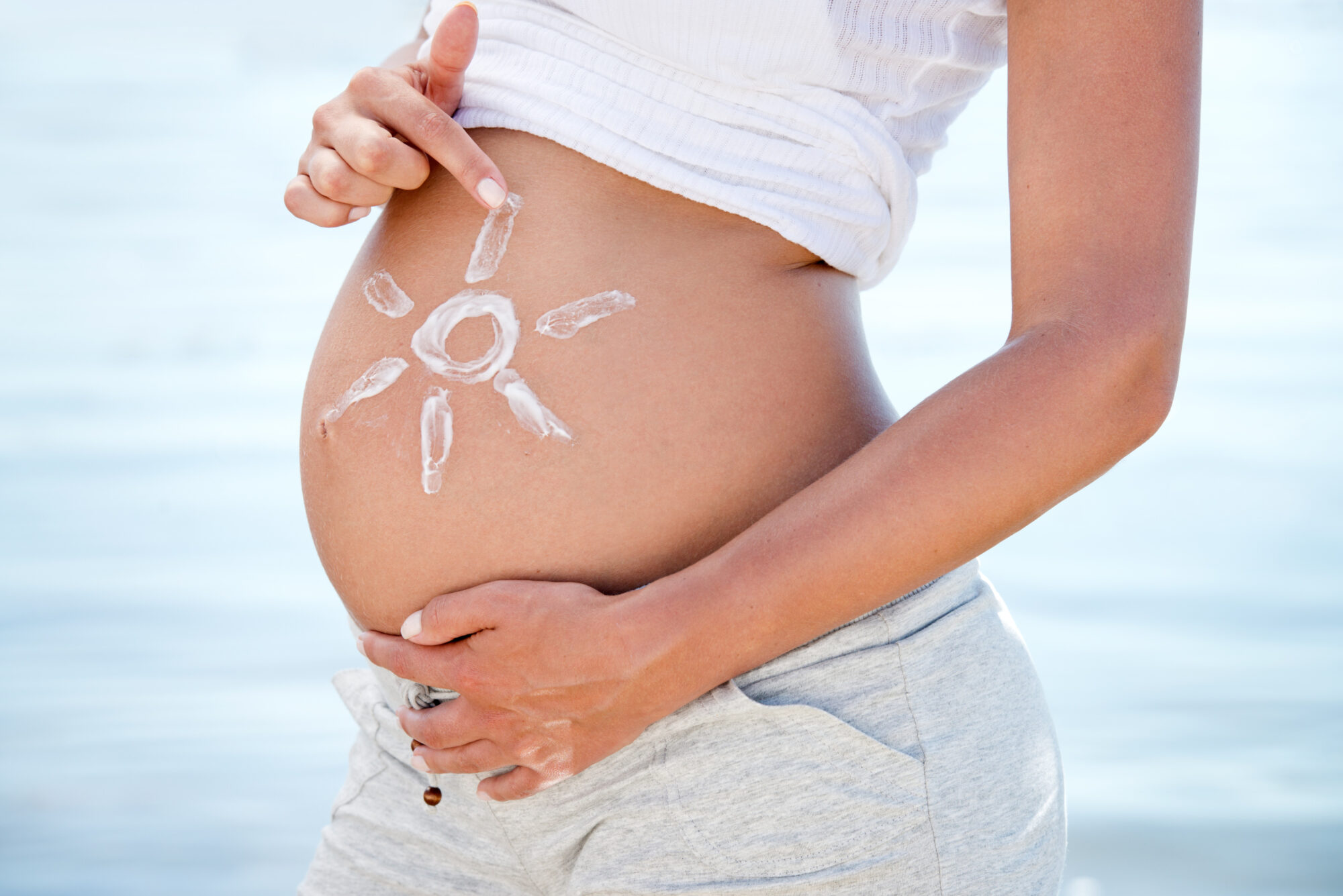
Summer Pregnancy: Hidden Heat Risks You Shouldn’t Ignore
Pregnancy is an exciting and beautiful journey, but it also comes with unique challenges—especially during the summer months. High temperatures, humidity, and prolonged sun exposure can make pregnant women more susceptible to dehydration, heat exhaustion, dizziness, and fatigue. Understanding how summer heat impacts pregnancy can help expectant mothers stay safe, healthy, and comfortable throughout their pregnancy journey.
Summer months can be exhausting and challenging for your body. Summer pregnancy health risks tend to increase with the increasing temperature and humidity. While many people enjoy sunny days, excessive heat can pose serious risks for expectant mothers.
According to Bruce Aylward, “Climate change is already affecting maternal and newborn health, and pregnant women are among those most vulnerable to extreme heat.” New research continues to uncover outcomes of summer heat for mothers and their babies. Prenatal heat exposure causes lifelong health risks, including heart disease and mental illness, while reducing adult income and life expectancy.
Rising temperatures can increase the chances of dehydration and heat exhaustion, which can ultimately result in pregnancy-related complications. Follow these summer pregnancy care tips diligently to safeguard yourself against potential risks.
Why Are Pregnant Women More Heat Sensitive

During pregnancy, the body works harder to support the growing baby. As a result, the heart pumps more blood throughout the body. These natural changes can make it harder for pregnant women to regulate body temperature.
Summer heat and pregnancy do not go well. Apart from the physical discomfort that you tend to face, your skin also gets affected adversely.. Tanning reduces the quality of your skin texture and makes your skin dull. Additionally, hormonal changes can contribute to increased sweating and fatigue, making dehydration more likely during hot weather. There are skin remedies you can try at home for that.
The heat effects on pregnancy might get serious if proper care is not taken at the earliest. According to Mayo Clinic, “Staying hydrated is one of the most critical steps pregnant people can take to protect themselves in the heat.”
The Hidden Risks of Summer Heat During Pregnancy

Pregnancy heat exhaustion symptoms might take a toll on you if you are not vigilant from the beginning. In very hot environments, the body’s internal temperature may rise that creates complex health issues.
Summer pregnancy warning signs should be monitored carefully. More serious symptoms, such as fainting, a body temperature above 102°F (38.9°C), persistent vomiting, reduced fetal movement, or contractions, require immediate medical attention. If you neglect these signs, then further difficulties may arise, which might further lead to adverse problems.
Heat exhaustion occurs when the body overheats and struggles to cool itself. Pregnancy hydration tips should be followed accurately. If there is excessive sweating, weakness, or a rapid heart rate, then contact a health care provider immediately. If left untreated, heat exhaustion can progress to heat stroke, requiring immediate attention.
Summer pregnancy complications may also include swelling in the feet, ankles, and hands. High temperatures can worsen fluid retention, making swelling more noticeable and uncomfortable.
The way how summer heat affects pregnancy might lead to dire results. Researchers believe that dehydration, physical stress, and elevated body temperature may contribute to early contractions. Moreover, the sleep schedule also gets disrupted. Hot and humid nights can make it difficult for pregnant women to sleep comfortably, leading to increased stress and fatigue.
Common Heat-Related Symptoms During Pregnancy

| Mild Symptoms | Severe Symptoms |
| Excessive sweating | Heat stroke |
| Fatigue | Fainting |
| Mild dizziness | Severe dehydration |
| Swollen feet and ankles | Rapid heartbeat |
| Headache | Confusion or disorientation |
Research published in The Lancet Planetary Health highlighted growing concerns about the impact of rising global temperatures on maternal health. Researchers emphasized that pregnant women are among the groups most vulnerable to the health effects of climate change.
Tips To Stay Safe During Pregnancy
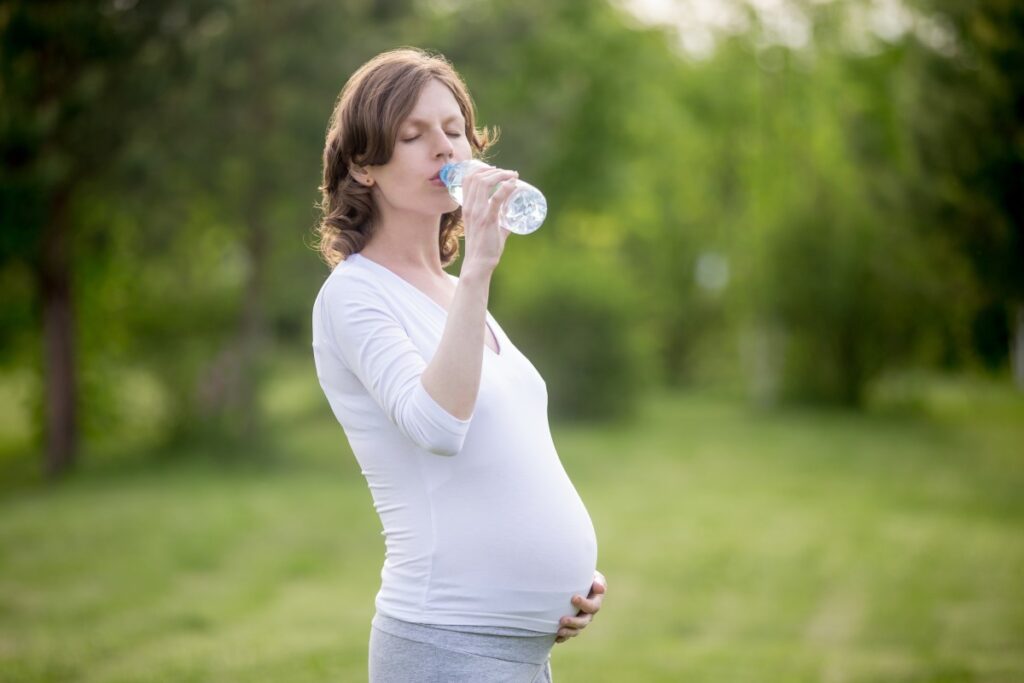
Stay hydrated
Drink water regularly throughout the day, even if you do not feel thirsty. Healthcare professionals often recommend increasing fluid intake during hot weather. Fortunately, most heat-related problems can be prevented by proper care. Recognizing early warning signs is important to protect your health throughout your pregnancy journey.
“It’s not unexpected to see pregnant women come to the hospital on a hot summer day,” said Dr. Elizabeth Suzanne Langen. This is why healthcare professionals encourage pregnant women to stay hydrated and seek medical attention if they experience symptoms such as fainting, contractions, or reduced fetal movement.
Avoid Peak Heat Hours
Try to stay indoors between 11 a.m. and 4 p.m. when temperatures are typically highest. Too much sun exposure can make you feel exhausted and uncomfortable. Avoid excessive heat and follow summer self-care tips for pregnant women.
Eat Water-Rich Foods
Include foods such as watermelon, strawberries, and cucumber to get nutrients into your body. These foods can help support hydration. Additional nutrient intake is beneficial for both mother and child.
Use Cooling Measures
You should immediately move to a cooler place, sip water, apply wet cloths to the skin, and sit in cool bathtub water. Those who experience vomiting or worsening symptoms should seek immediate medical treatment.
When To Seek Medical Help

Medical help becomes necessary when symptoms worsen. Having a summer pregnancy health management is extremely crucial. A proper health management schedule not only keeps you prepared for future pregnancy issues, but it also tracks your baby’s well-being.
While mild discomfort from summer heat can often be managed with rest and hydration, certain symptoms, such as persistent dizziness, acute dehydration, high fever, and difficulty breathing, should never be ignored during pregnancy.
Pregnancy And Heat
According to maternal health research, a human body temperature above 102.2°F during pregnancy might be considered extremely threatening.
Global warming is also considered a major threat. Many women find the summer heat hard to tolerate. Although not every pregnant woman will experience complications, healthcare professionals recommend taking precautions to minimize unnecessary risks.
| Heat-Related Issue | Possible Impact |
| Dehydration | Fatigue, dizziness, muscle contractions |
| Heat Exhaustion | Weakness, nausea |
| Poor Sleep | Increased stress and fatigue |
| Swelling | Discomfort in the hands and feet accompanied by severe pain. |
Awareness of heat-related pregnancy risks is becoming increasingly important. By following your healthcare provider’s guidance and prioritizing self-care, you can enjoy a safer and more comfortable pregnancy journey. Remember, every pregnancy is distinctive, and if you ever feel unwell or notice unusual symptoms, seeking medical advice promptly is always the best course of action. Taking proactive steps today can help support a healthier outcome for both you and your baby.
FAQ
1. Is summer heat bad for pregnancy?
Yes. Excessive heat can increase the risk of dehydration, heat exhaustion, swelling, and pregnancy complications.
2. What are the signs of dehydration during pregnancy?
Common signs include thirst, dry mouth, dizziness, headaches, fatigue, and reduced urination.
3. How to survive heat when pregnant?
Drink plenty of water, avoid peak sun hours, wear lightweight clothing, and rest frequently.
4. What foods help pregnant women stay hydrated in summer?
Watermelon, cucumber, strawberries, tomatoes, yogurt, and coconut water are excellent hydrating options during pregnancy.

Eliza Gordon is a seasoned writer for the health industry dedicated to providing fact-based health information. She sources concise facts from authoritative sources to ensure maximum credibility and shares guidelines to lead a healthy lifestyle.
Related Articles

How HIPEC Works in Cancer Treatment and Recovery?
Learn how HIPEC surgery combines heated chemotherapy with surgery, how the procedure works, recovery expectations, benefits, and key considerations.
read more
Four Steps to Ideal Mental Health for International Students
The mental health of international students has been the most talked about topic for some time. The experts know the circumstances and emotions that international students live with. For sure,…
read moreAbout Us

The Healthcare Facts is a blog site that posts regular content on fitness, healthy eating, weight loss, healthy mind and wellness. The aim of the blogs is to encourage people stay fit and healthy physically, mentally and spiritually.
Copyright © 2026 The Healthcare Facts. All Right Reserved.