
Why Air Filter Foam Sheets Are Essential for Efficient Air Filtration Systems?
Clean air is essential for maintaining healthy indoor environments and ensuring the reliable performance of machinery and equipment. Whether it is an industrial facility, commercial building, automobile, or ventilation system, air filtration plays an important role in removing dust, dirt, and other airborne particles. Without proper filtration, contaminants can accumulate inside equipment, affect airflow, and contribute to premature wear and maintenance problems.
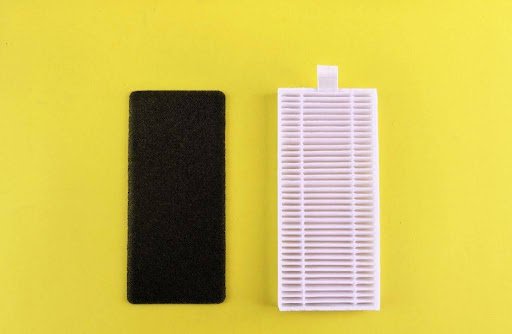
One material that has become increasingly useful in different filtration applications is foam. Designed with a porous structure, filter foam allows air to pass through while capturing particles as air moves through the material. An air filter foam sheet is particularly useful because it can be cut, shaped, and customised to suit different filtration requirements.
From HVAC systems and industrial machinery to automotive applications, foam filter sheets offer a practical approach to improving air filtration. Understanding their features, benefits, and applications can help businesses and equipment owners choose the right filtration solution.
1. Understanding Air Filter Foam Sheets
Air filter foam sheets are specially manufactured porous foam materials used to capture airborne dust and contaminants while allowing air to circulate.
Unlike ordinary solid materials, filtration foam contains interconnected pores that create pathways for airflow. As air passes through these openings, particles can become trapped within the foam structure.
These sheets are commonly manufactured using materials such as polyurethane, depending on the intended application. They are available in different thicknesses, pore sizes, densities, and grades to meet specific filtration requirements.
Some common characteristics include:
- Open-cell structure for airflow.
- Lightweight and flexible construction.
- Different thickness and density options.
- Easy cutting and customisation.
- Availability in reusable or washable grades, depending on the material.
Because of these characteristics, foam filtration products are suitable for applications where consistent airflow and particle collection are important.
2. Helps Capture Dust and Airborne Particles
One of the main purposes of an air filtration system is to prevent dust and unwanted particles from entering equipment or circulating through indoor environments.
Dust accumulation can affect the performance of machinery, ventilation systems, and other equipment. In industrial settings, airborne particles may also settle on sensitive components, increasing cleaning and maintenance requirements.
Filter foam helps capture particles as air passes through its porous structure. The actual filtration efficiency depends on the foam’s pore size, thickness, density, and design.
Different applications require different filtration grades. For example, a basic pre-filter may be suitable for capturing larger dust particles, while applications requiring finer filtration may need specialised filtration materials or multiple filtration stages.
Choosing the correct foam specification is therefore important for achieving the desired filtration performance.
3. Supports Better Airflow and Ventilation
Effective filtration is not only about capturing particles. Maintaining sufficient airflow is equally important.
A filter that is too restrictive can reduce the volume of air passing through a system. This may increase the workload on fans, blowers, and ventilation equipment.
Open-cell foam materials are designed to provide airflow through their interconnected pores. When correctly selected, they can offer a useful balance between particle capture and airflow resistance.
This makes them suitable for applications such as:
- Air conditioning systems.
- HVAC ventilation units.
- Industrial air handling equipment.
- Electronic equipment cooling systems.
- Machinery ventilation openings.
Regular cleaning or replacement, where appropriate, is also important. A heavily contaminated filter can restrict airflow and reduce overall system efficiency.
4. Widely Used in Industrial Applications
Industrial environments often contain dust, fibres, particles, and other airborne contaminants generated during manufacturing and processing activities.
Machines that operate continuously may require reliable filtration to protect internal components and maintain stable performance.
Foam filter sheets can be used in selected industrial applications, including equipment ventilation, air intake systems, protective enclosures, and pre-filtration arrangements.
Their flexibility makes them particularly useful when manufacturers need filters in non-standard shapes or sizes.
For example, a factory may require custom-sized foam filters for different machines. Instead of relying entirely on standard filter dimensions, foam sheets can be cut to match specific equipment requirements.
Businesses looking for customised air filter foam sheet solutions should consider the operating environment, particle levels, airflow requirements, and maintenance schedule before selecting a product.
5. Useful for HVAC and Air Conditioning Systems
Heating, ventilation, and air conditioning systems depend on proper airflow to maintain comfortable indoor conditions.
Dust and debris entering ventilation equipment can accumulate on internal components, potentially affecting performance and increasing cleaning requirements.
Foam materials can be used in selected HVAC applications, particularly as pre-filters or protective filtration layers. They can help capture larger airborne particles before air reaches more specialised filtration stages.
Some important applications include:
Residential air conditioning: Suitable foam filters can help capture larger dust particles in compatible equipment.
Commercial ventilation: Businesses may use foam pre-filters in selected air handling arrangements.
Industrial HVAC systems: Certain foam grades can serve as part of multi-stage filtration systems.
It is important to remember that ordinary filter foam is not automatically a replacement for high-efficiency HVAC filters. The filtration requirements of the system should always determine the appropriate material.
6. Lightweight, Flexible, and Easy to Customise
One major advantage of foam filter sheets is their flexibility. Unlike rigid filtration components, foam can often be cut into different shapes and sizes to fit specific equipment.
This is useful for manufacturers, maintenance teams, and businesses working with specialised machinery.
Depending on the product specification, foam sheets can be customised according to:
- Required length and width.
- Material thickness.
- Foam density.
- Pore size or pores per inch (PPI).
- Shape and installation requirements.
For example, a manufacturer may need a small foam insert for an electronic enclosure or a larger filtration sheet for an industrial ventilation unit.
Customisation helps reduce material waste and makes it easier to create filters for equipment with unusual dimensions.
7. Reusable Options Can Help Reduce Maintenance Costs
Some foam filter materials are designed to be cleaned and reused. This can make them a practical choice in applications where filters are exposed to dust and larger particles.
Instead of immediately replacing the filter after every maintenance cycle, compatible washable foam can sometimes be cleaned according to the manufacturer’s instructions.
Potential benefits include:
- Reduced frequency of filter replacement.
- Lower ongoing material expenses.
- Less waste from disposable filter components.
- Convenient maintenance for selected equipment.
However, not every foam filter is washable or reusable. Cleaning methods must match the material specification, as incorrect washing, harsh chemicals, or excessive handling can damage the foam structure.
Always follow the manufacturer’s recommendations regarding cleaning, drying, and replacement.
8. Important Factors to Consider When Choosing Filter Foam
Selecting the correct filtration material is essential for achieving reliable performance. Different applications have different requirements, so choosing a product based only on appearance or price may not deliver the desired results.
Here are some important factors to evaluate.
Pore size: Pore size affects airflow resistance and particle capture. The correct specification depends on the type of contaminants the filter needs to collect.
Thickness: Thicker foam can provide a greater filtration depth, although performance also depends on density and pore structure.
Density: Foam density influences material characteristics and may affect filtration behaviour.
Material compatibility: Consider temperature, humidity, chemicals, and other environmental conditions that may affect the foam.
Airflow requirements: Check whether the foam provides sufficient airflow for the equipment in which it will be installed.
Maintenance requirements: Determine whether the material is disposable, washable, or suitable for repeated use.
Before purchasing an air filter foam sheet, it is worth discussing these specifications with a reliable supplier or filtration specialist.
9. Common Applications Across Different Industries
Foam filtration materials are used across a wide range of industries because of their versatility and adaptable structure.
Some common applications include:
Automotive industry: Selected foam grades are used in engine air intake, cabin ventilation, and other automotive filtration applications.
Electronics: Foam filters can help protect electronic enclosures from dust entering through ventilation openings.
Manufacturing: Industrial machines may use foam filtration materials to reduce the entry of larger airborne contaminants.
HVAC: Foam can serve as a pre-filtration material in compatible ventilation and air conditioning systems.
Appliances: Certain household and commercial appliances use foam filters to manage dust and airflow.
Each application requires a suitable material specification. A foam product designed for one environment may not perform effectively in another.
10. Why Quality Matters in Air Filtration
The quality of filtration material can directly influence the performance and reliability of an air filtration system.
Low-quality or unsuitable foam may deteriorate, lose its shape, restrict airflow, or fail to capture the required particles. In industrial environments, these issues can contribute to additional maintenance and equipment downtime.
High-quality foam should have consistent pore structure, suitable thickness, reliable material properties, and compatibility with the intended operating conditions.
It is also important to source products from suppliers who can provide clear technical specifications and guidance on selecting the correct filtration grade.
Choosing a suitable air filter foam sheet can support more consistent filtration performance and help protect equipment from unnecessary contamination.
Conclusion
Air filtration is an important part of maintaining equipment performance, improving ventilation, and managing airborne contaminants across different environments. Foam filter sheets provide a flexible and practical option for applications that require customised filtration materials and controlled airflow.
Their lightweight structure, adaptable dimensions, and availability in different pore sizes make them useful in automotive systems, HVAC equipment, industrial machinery, and electronic enclosures.
However, effective filtration depends on selecting the correct foam specification for the intended application. Factors such as pore size, thickness, density, airflow resistance, and maintenance requirements should all be considered before making a decision.
For businesses and equipment manufacturers, investing in the right air filter foam sheet can be a valuable step towards building reliable filtration systems and supporting long-term equipment performance.

Eliza Gordon is a seasoned writer for the health industry dedicated to providing fact-based health information. She sources concise facts from authoritative sources to ensure maximum credibility and shares guidelines to lead a healthy lifestyle.
Related Articles

Kyanite Jewelry: The Crystal of concord and readability
Kyanite, with its captivating colours ranging from sapphire blue to emerald green, is a gemstone that blends airy beauty with powerful metaphysical characteristics. Although it’s not as well-known as more…
read more
Rhodochrosite Jewelry: The Gemstone That Heals Even as You Shine
Let’s face it—we’re all looking for some thing a little deeper these days. A touch greater significant. We don’t simply want pretty things; we want pieces that say something. That’s…
read more


Copyright © 2026 The Healthcare Facts. All Right Reserved.